
- Political reform movements in America face systemic obstacles including polarization, legislative gridlock, and money in politics that prevent meaningful change
- Historical reform efforts like the Progressive Era and Civil Rights movement achieved significant changes, but contemporary movements struggle with unique modern challenges
- Organizations like the ACLU and EFF continue reform work in civil liberties and digital rights, but face increasing resistance from established political interests
Political reform movements in America face significant systemic obstacles that prevent meaningful change in 2026. Deep partisan divides, legislative gridlock, and the overwhelming influence of money in politics create a challenging environment where even popular reform proposals struggle to gain traction. These interconnected barriers form a self-reinforcing cycle that makes systemic change increasingly difficult.
Political Polarization: The Deep Divide Blocking Reform Consensus
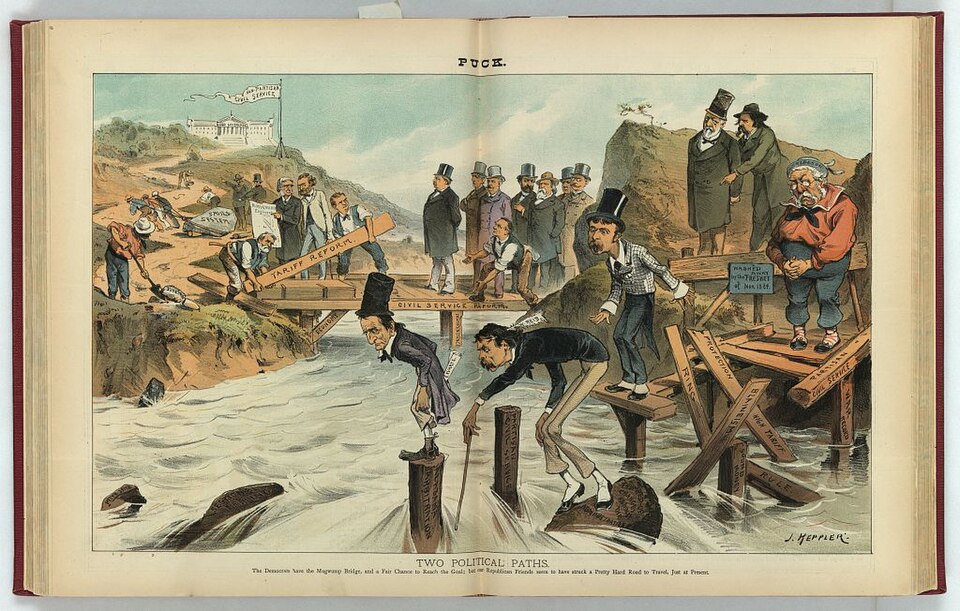
Political polarization has created an environment where bipartisan cooperation on reform initiatives has become nearly impossible. The deep ideological divides between major political parties prevent the consensus-building necessary for meaningful legislative action on reform proposals.
Partisan Gridlock Preventing Legislative Action on Reform Proposals
Political polarization creates legislative gridlock that prevents reform movements from achieving their goals. When parties are deeply divided on fundamental issues, compromise becomes nearly impossible, and reform legislation stalls in committees or fails to reach a vote. This gridlock affects everything from campaign finance reform to voting rights legislation, with each party blocking the other’s proposals regardless of public support.
The current political climate leads to stalled progress on reform agendas as legislators prioritize party loyalty over policy solutions. Even when reform proposals have broad public backing, the fear of political backlash from party bases prevents lawmakers from supporting cross-aisle initiatives. This creates a situation where popular reforms die in committee despite majority public support.
Ideological Echo Chambers Reinforcing Opposition to Systemic Change
Deep partisan divides make consensus-building and legislative action extremely difficult. Social media platforms and partisan news outlets create ideological echo chambers where people are exposed primarily to information that confirms their existing beliefs. These echo chambers reinforce opposition to reform by presenting alternative viewpoints as threats rather than legitimate policy differences.
The fragmented media landscape makes it challenging to build broad public support for reform initiatives. When different demographic groups consume entirely different news sources with conflicting narratives, finding common ground becomes nearly impossible. This media polarization extends to reform movements themselves, with different factions unable to agree on unified approaches to systemic change.
Money in Politics: Campaign Finance as the Ultimate Reform Barrier
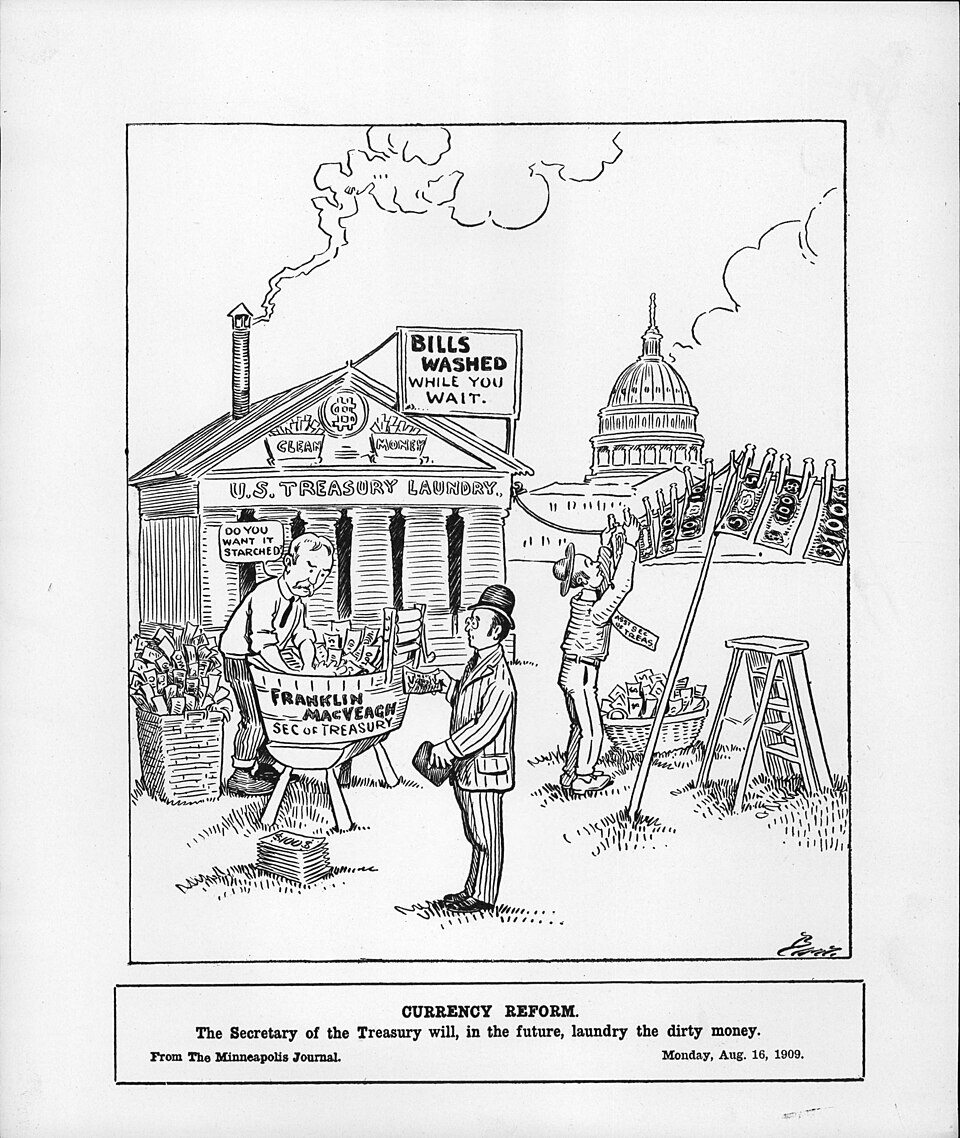
The influence of money in politics remains a major challenge for reform movements in contemporary America. Campaign finance laws and the overwhelming presence of corporate and special interest money create barriers that prevent meaningful reform from advancing through the legislative process.
Post-Citizens United Era: Corporate Money Dominating Political Discourse
Campaign finance remains a contentious issue, with established interests often resisting reform. The Citizens United v. FEC decision in 2010 fundamentally changed the campaign finance landscape by allowing unlimited independent political spending by corporations and unions. This ruling created a system where corporate money dominates political discourse and reform opponents can outspend reform advocates by significant margins.
The post-Citizens United era has seen the rise of super PACs and dark money groups that can raise and spend unlimited amounts on political campaigns. These organizations often work to defeat reform-minded candidates and support incumbents who oppose campaign finance restrictions. The result is a political system where money talks louder than public opinion, making it difficult for reform movements to gain traction against well-funded opposition.
Lobbying Power and Special Interest Groups Blocking Reform Legislation
Influence of money in politics remains a major challenge for reform movements. Lobbying organizations use sophisticated tactics to prevent reform legislation from passing, including campaign contributions, grassroots mobilization of their members, and strategic misinformation campaigns. These groups represent industries and interests that benefit from the current system and work actively to maintain the status quo.
Special interest groups employ multiple strategies to block reform, including funding opposition research on reform advocates, supporting primary challengers to reform-minded incumbents, and creating astroturf movements that appear to be grassroots opposition but are actually industry-funded. The sheer financial resources available to these organizations make them formidable opponents to any reform movement seeking systemic change.
Public Apathy and Disengagement: The Silent Killer of Reform Movements
Public apathy and disengagement can hinder the momentum of reform movements by reducing civic participation and creating a sense of political futility. When citizens feel disconnected from the political process, reform movements lose the grassroots energy necessary to pressure lawmakers into action.
Low Voter Turnout Undermining Reform Movement Momentum
Public apathy and disengagement can hinder the momentum of reform movements. Low voter turnout in local and primary elections means that reform candidates struggle to build the electoral coalitions necessary to win office. When only a small percentage of eligible voters participate in elections, organized interest groups can disproportionately influence outcomes against reform initiatives.
The decline in civic participation extends beyond voting to include reduced involvement in community organizations, town halls, and other forms of political engagement. This disengagement creates a feedback loop where citizens feel their voices don’t matter, leading to even lower participation rates. Reform movements require sustained grassroots energy to succeed, but apathy drains this essential resource.
Political Cynicism and Disillusionment Reducing Civic Participation
General sense of disillusionment can hinder the momentum of reform movements. Political cynicism manifests in several ways that reduce participation in reform efforts, including the belief that “both parties are the same” or that the system is “rigged” against ordinary citizens. This cynicism leads people to withdraw from political participation entirely, believing that their involvement cannot produce meaningful change.
The psychological factors behind political disillusionment include repeated exposure to political corruption scandals, unfulfilled campaign promises, and the perception that wealthy interests control the political process. When people lose faith in the possibility of reform, they stop engaging with reform movements, creating a self-fulfilling prophecy where the lack of participation ensures that the system remains unchanged.
The most surprising finding is that reform movements face interconnected obstacles that create a self-reinforcing cycle. Political polarization prevents consensus on reform, money in politics funds opposition to change, and public apathy reduces the grassroots pressure needed to overcome these barriers. This interconnected system makes reform increasingly difficult as each obstacle reinforces the others.
The most effective way to support reform movements is to engage at the local level where change is more achievable. Supporting local reform organizations builds grassroots momentum that can eventually influence state and federal policy. Organizations like the ACLU and EFF continue working on civil liberties and digital rights reforms despite these challenges, demonstrating that sustained effort can overcome systemic obstacles over time.
Freedom for America works to address these reform challenges by building coalitions across political divides and promoting transparency in government operations. Their efforts focus on creating practical solutions to the systemic obstacles that prevent meaningful political reform in America.
