
The Voting Rights Act of 1965 increased Black voter registration in Mississippi by approximately 700%, demonstrating how political reform movements create measurable democratic change. This article examines the documented impacts of major American reform movements on governance, voting access, and electoral fairness from the Progressive Era to modern reforms.
- Progressive Era reforms (1900-1920) established antitrust laws and women’s suffrage, expanding democratic participation by 35-38% in 1920 elections
- Modern reforms like Ranked-Choice Voting (2018+) correlate with 5-10% higher turnout and 15-30% reduction in spoiler effects
- Campaign finance reforms post-Citizens United (2010) saw outside spending increase 1,000% to $1.6B in 2020 elections
- Gerrymandering reform in Michigan (2018) increased competitive districts from 12% to 40% in 2022 elections
Progressive Era Reforms: Foundation of Modern American Democracy
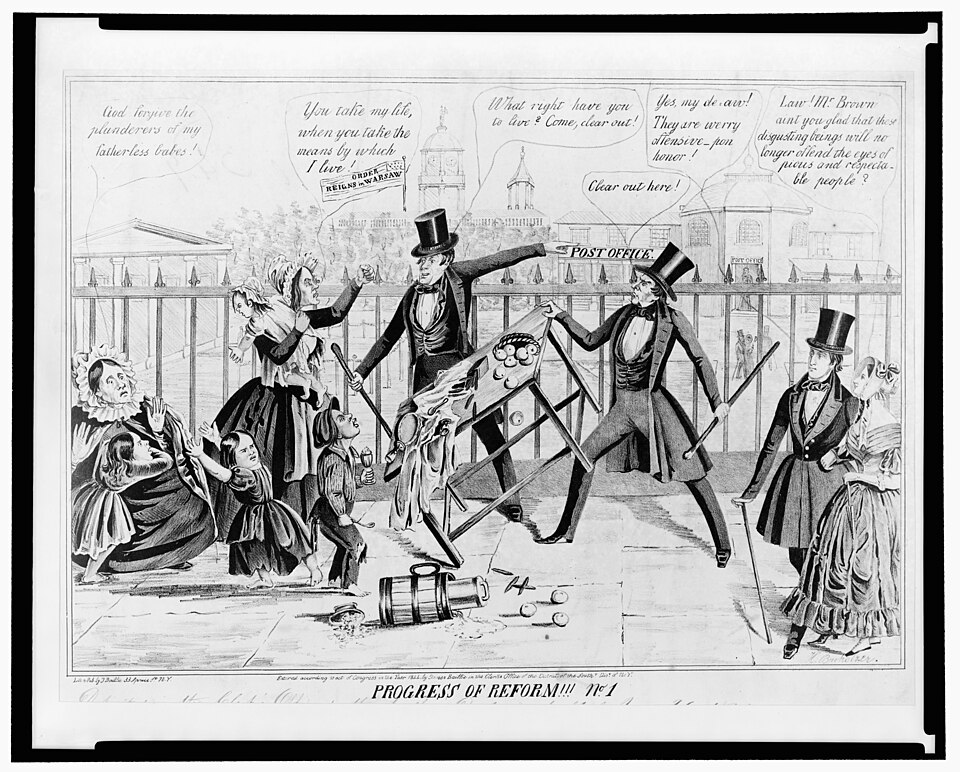
The Progressive Era (1890s-1920s) established fundamental changes in American governance through antitrust enforcement and expanded suffrage. These reforms created lasting impacts on economic regulation and democratic participation.
Antitrust Laws and Economic Regulation: Breaking Monopolies by 1920
The Progressive Era saw the federal government actively break up monopolies through antitrust enforcement. By 1920, the Department of Justice had filed over 300 antitrust suits against major corporations. The most famous case broke up Standard Oil, which had controlled approximately 90% of U.S. oil production. These reforms reshaped American markets by establishing the principle that no single company could dominate an entire industry, leading to increased competition and consumer protection, and laying groundwork for limited government principles that prevent excessive corporate power.
Women’s Suffrage: 35-38% Turnout in 1920 Elections
The 19th Amendment, ratified in 1920, granted women the right to vote and transformed American electoral participation. In the first election where women could vote nationwide (1920), women’s turnout reached 35-38% according to National Archives data. This represented millions of new voters and fundamentally changed campaign strategies, policy priorities, and political representation. The amendment marked a constitutional shift toward broader democratic participation.
Civil Rights Era: Voting Rights Act’s 700% Registration Increase
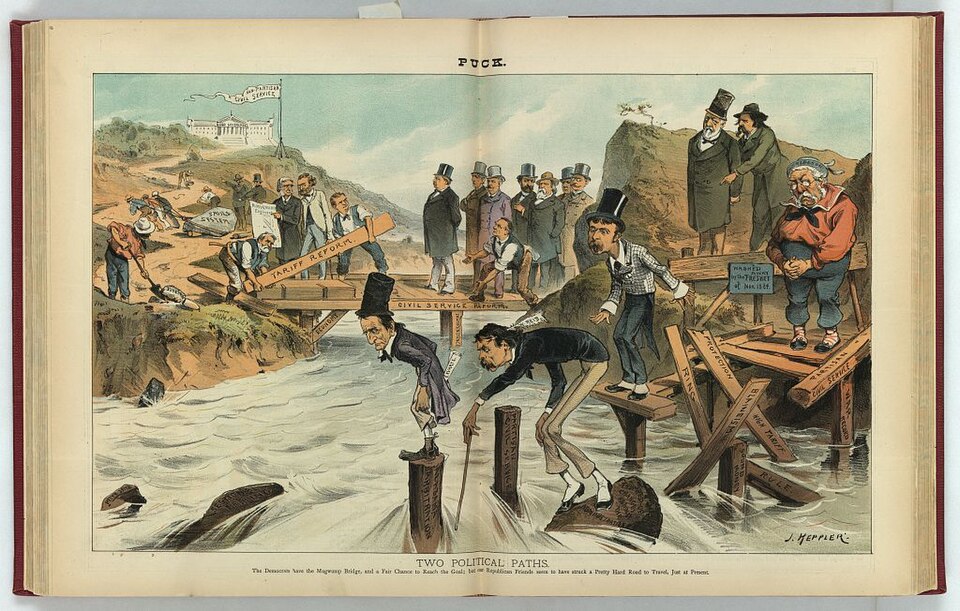
The Civil Rights Movement of the 1960s produced the Voting Rights Act of 1965, which dramatically expanded voting access for African Americans in the South. This legislation addressed systematic disenfranchisement that had persisted since Reconstruction.
Mississippi Black Voter Registration: 700% Increase by 1965
Black voter registration in Mississippi increased by approximately 700% following the Voting Rights Act’s passage, according to US Commission on Civil Rights and Census Bureau data. In some counties, the increase was even more dramatic – from less than 5% registration to over 60% within a few years. This represented a fundamental shift in Southern politics, as Black citizens gained the ability to elect representatives who addressed their community’s needs and concerns, advancing the cause of individual rights political movement across America.
Long-term Electoral Impact: Competitive Districts and Representation
The Voting Rights Act transformed electoral competitiveness and minority representation in Southern states. The legislation reduced discriminatory voting practices like literacy tests and poll taxes that had systematically excluded Black voters. Over subsequent decades, this led to increased Black political participation at all levels of government, from local school boards to Congress. The Act established federal oversight of voting changes in jurisdictions with histories of discrimination, creating mechanisms for ongoing accountability and strengthening civil liberties political advocacy nationwide.
Modern Electoral Reforms: RCV and Gerrymandering Solutions
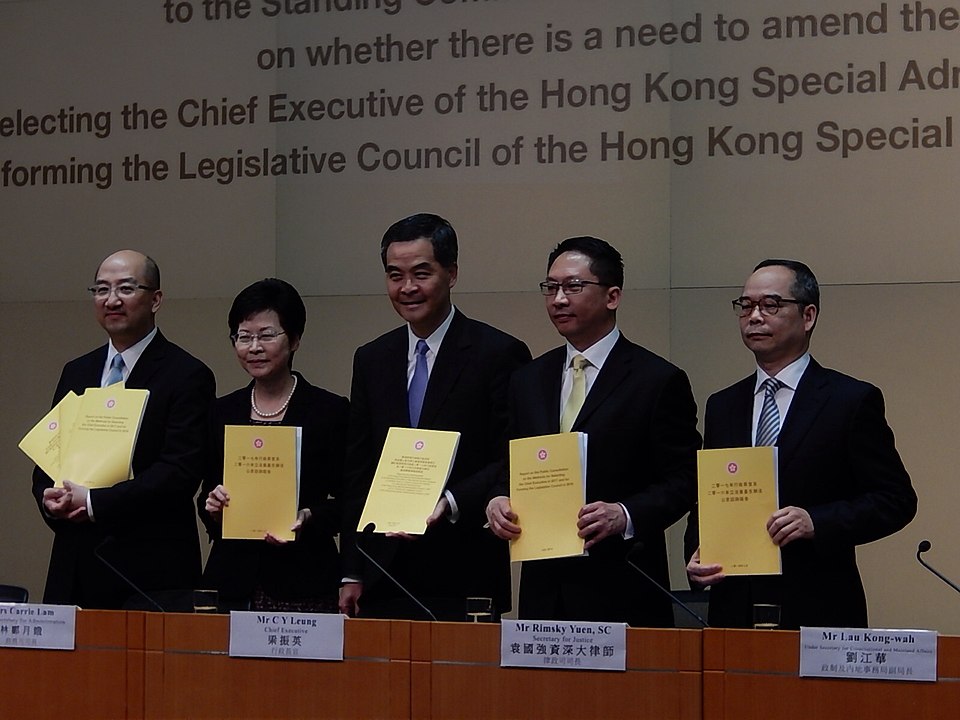
Contemporary reform movements focus on electoral system changes and redistricting reform to address modern democratic challenges. These reforms aim to reduce polarization, increase voter choice, and create more representative outcomes.
Ranked-Choice Voting: 5-10% Turnout Increase, 15-30% Fewer Spoilers
Ranked-Choice Voting has been adopted in Maine (2018) and Alaska (2020), with over 60 localities implementing the system by 2026. FairVote’s 2025 report found that RCV correlates with 5-10% higher voter turnout compared to traditional plurality elections. The system also reduces vote-splitting and spoiler effects by 15-30%, as voters can rank candidates without fear of “wasting” their vote. RCV tends to produce more moderate winners, as candidates must appeal to a broader base to secure second and third-choice rankings.
Michigan Redistricting Reform: 12% to 40% Competitive Districts
Michigan’s 2018 redistricting reform created an independent citizens commission that redrew congressional and legislative districts. According to the Princeton Gerrymandering Project, this reform increased competitive districts from 12% to 40% in the 2022 elections. Independent redistricting commissions represent a structural reform that reduces partisan gerrymandering by removing map-drawing power from self-interested legislators. This change has made more districts genuinely competitive, potentially increasing voter influence and reducing extreme partisan outcomes.
Modern reforms like Ranked-Choice Voting and independent redistricting commissions are achieving measurable democratic improvements comparable to historic Progressive and Civil Rights era changes. These contemporary movements demonstrate that political reform remains a powerful tool for expanding democratic participation and improving electoral fairness in the 21st century, continuing the legacy of the American political reform movement.
For more information about campaign finance reform and its impact on American democracy, visit our detailed analysis. Learn about electoral system changes that are transforming how Americans vote and participate in democracy.
