
American political reform has achieved measurable victories throughout history, from the Progressive Era’s antitrust laws that filed over 300 suits by 1920 to the Voting Rights Act’s dramatic increase in Black voter registration from 7% to 60% in Mississippi.
- Progressive Era reforms like antitrust laws and women’s suffrage created lasting structural changes with measurable impacts
- The Voting Rights Act of 1965 produced dramatic increases in Black political participation and representation
- Modern reforms like Ranked-Choice Voting and independent redistricting commissions are showing early signs of success in reducing polarization
Progressive Era Reforms: Antitrust Laws and Women’s Suffrage
The Progressive Era (1890s-1920s) demonstrated how systematic reform efforts could create lasting institutional change through both grassroots activism and legislative action.
Antitrust Laws: Breaking Monopolies and Reducing Market Concentration
The Progressive Era’s antitrust movement used federal enforcement to break up monopolies and restore competitive markets:
- Sherman Antitrust Act (1890): Established the legal framework for challenging monopolies
- Clayton Act (1914): Strengthened enforcement with specific prohibitions on price discrimination and interlocking directorates
- Over 300 antitrust suits filed by 1920: Reduced market concentration and increased competition across major industries
- Major cases broken up: Standard Oil (1911), American Tobacco Company (1911), and numerous railroad combinations
- Economic impact: Lower prices for consumers and increased innovation through restored competition
These reforms showed how federal enforcement could counter concentrated economic power that threatened both markets and democracy. The antitrust movement demonstrated that government intervention could restore competitive markets and protect consumer interests. Such interventions align with free market economic policies that seek to balance regulation with economic freedom.
Women’s Suffrage: Expanding Democracy and Influencing Policy
The 72-year campaign for women’s voting rights culminated in constitutional change that permanently expanded American democracy:
The 19th Amendment’s ratification in 1920 followed decades of grassroots organizing, state-level victories, and national advocacy. Women’s turnout reached 35-38% in the first election after ratification, demonstrating immediate political engagement.
Women voters influenced progressive policies on labor rights, education funding, and social welfare programs. The women’s voting bloc helped pass child labor laws, workplace safety regulations, and expanded public education funding throughout the 1920s and 1930s. This expansion of democratic participation reflects the goals of the individual rights political movement that continues to shape American politics.
Civil Rights Era Victory: The Voting Rights Act of 1965

The Civil Rights Movement’s success in passing the Voting Rights Act of 1965 demonstrated how federal intervention could overcome entrenched local resistance to democratic participation.
Mississippi’s Transformation: From 7% to 60% Black Voter Registration
The Voting Rights Act produced immediate, dramatic results in states with the most severe voter suppression:
Pre-VRA conditions included poll taxes, literacy tests, and widespread violence against Black voters attempting to register. The federal oversight provisions made systematic discrimination impossible to maintain.
Black voter registration in Mississippi surged from 7% (1964) to 60% (1969) within five years of the Act’s passage. Federal examiners directly registered voters in counties where local officials refused to comply with the law.
The immediate impact included Black candidates winning local offices for the first time since Reconstruction, changing school board compositions and law enforcement practices in previously all-white jurisdictions.
Nationwide Impact: Black Elected Officials and Political Representation
The Voting Rights Act’s enforcement mechanisms created ripple effects throughout American politics:
Black elected officials nationwide increased from 1,000 to over 1,500 by 1970, representing a 50% increase in just five years. This translated to congressional representation growing from 5 to 13 Black members by 1971.
The policy priorities shifted to include civil rights enforcement, economic opportunity programs, and anti-discrimination measures that had been blocked by underrepresentation. Black elected officials brought attention to issues like police brutality, housing discrimination, and educational inequality. Organizations focused on American civil liberties advocacy continue this work of protecting individual rights in contemporary politics.
The Mechanics of Success: Federal Oversight and Enforcement
The Voting Rights Act’s effectiveness came from its comprehensive enforcement framework. The preclearance requirement forced jurisdictions with histories of discrimination to obtain federal approval before changing voting procedures. Federal examiners could directly register voters when local officials refused to comply with the law. These mechanisms exemplify limited government principles by ensuring constitutional rights are protected without overreach.
The preclearance requirement forced jurisdictions with histories of discrimination to obtain federal approval before changing voting procedures. Federal examiners could directly register voters when local officials refused to comply with the law.
Department of Justice enforcement mechanisms included litigation against discriminatory practices and criminal prosecution of those who interfered with voting rights. These provisions prevented backsliding and maintained progress even when political winds shifted. The Justice Department’s role in protecting voting rights exemplifies civil liberties political advocacy in action.
The comprehensive approach succeeded where earlier efforts failed because it addressed both legal barriers and the practical obstacles to voting access.
Modern Electoral Reforms: Ranked-Choice Voting and Redistricting
Contemporary reform movements are adapting successful historical strategies to address modern political challenges like polarization and gerrymandering. Modern reformers study past successes to craft new solutions for today’s democratic challenges. The American political reform movement continues this tradition of institutional innovation.
Ranked-Choice Voting: Reducing Polarization and Increasing Participation
Ranked-Choice Voting adoption demonstrates how electoral system reforms can address contemporary political problems:
Maine adopted RCV in 2018, Alaska in 2020, and over 50 cities have implemented the system for local elections. The reform allows voters to rank candidates by preference, eliminating the “spoiler effect” and encouraging more diverse candidacies.
Studies show RCV reduces negative campaigning as candidates seek second and third choice votes from opponents’ supporters. Voter satisfaction increases because people can support their preferred candidate without fear of wasting their vote.
Early impacts include more civil campaign discourse and increased participation from third-party and independent candidates who previously faced structural barriers to winning elections.
Independent Redistricting Commissions: Creating Competitive Districts
Gerrymandering reform through independent commissions shows how structural changes can create more representative democracy:
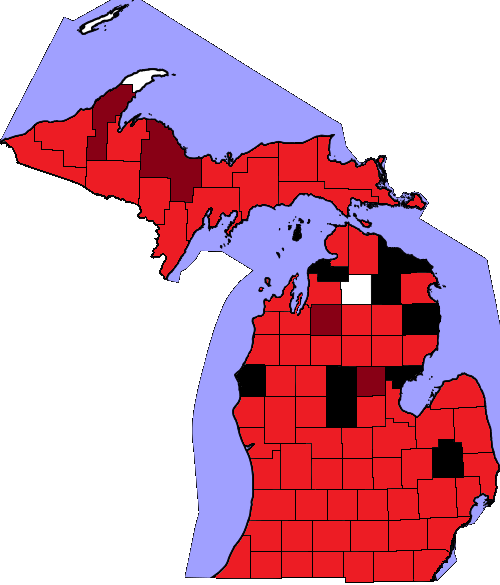
Independent commissions now operate in 10+ states, including Michigan (2018), California, and Arizona. These commissions remove partisan control from the redistricting process, replacing political manipulation with transparent criteria.
Princeton Gerrymandering Project data indicates significant increases in competitive districts in states with independent commissions. Competitive districts force representatives to appeal to broader constituencies rather than just primary voters.
The reform reduces safe seats where representatives face little electoral accountability, encouraging more moderate policy positions and bipartisan cooperation on legislation.
Campaign Finance Reform: Responding to Citizens United
The Supreme Court’s Citizens United decision (2010) created new challenges that reform movements are working to address:
The decision led to a significant increase in outside spending, with OpenSecrets reporting over $1.6 billion in Super PAC spending in the 2020 election alone. This spending often comes from anonymous donors through dark money channels.
Reform responses include public financing programs, enhanced disclosure requirements, and small-donor matching systems. Cities like New York and states like Arizona have implemented successful public financing programs that reduce candidates’ dependence on large donors.
These efforts are building momentum for systemic change by demonstrating that alternative funding models can support competitive elections while reducing corruption risks.
The pattern of successful reform throughout American history shows that lasting change requires both grassroots pressure to create political will and institutional mechanisms to implement and protect reforms. From the Progressive Era’s antitrust enforcement to the Voting Rights Act’s federal oversight, effective reforms combine public demand with structural safeguards. This historical evidence supports arguments for fiscal responsibility political platform approaches to modern governance.
The most effective way to support ongoing reform efforts is through organizations like FairVote or Common Cause, which work to implement Ranked-Choice Voting and independent redistricting in additional states. These organizations provide both the grassroots organizing needed to build political support and the technical expertise required to design effective reform mechanisms. For those interested in broader political reform principles, Freedom for America offers additional perspectives on institutional change.
