Third parties rarely win American elections but have decisively influenced presidential outcomes through vote splitting, exceeding the margin of victory in 1844, 2000, and 2016 elections. Despite winning only 2% of the 2024 vote, these movements continue to shape American politics by forcing major parties to address their policy concerns. Many third-party advocates champion limited government principles as a core value, arguing that reducing federal overreach is essential for restoring individual liberty.
- U.S. politics dominated by two-party system due to Electoral College and plurality voting (Duverger’s law)
- Third parties rarely win but have decisively influenced 3 presidential elections through vote splitting (1844, 2000, 2016)
- 2024 third parties/independents got 2.13% (3M votes), up from 1.86% in 2020, showing growing dissatisfaction
Why Third Parties Struggle: The Two-Party System’s Structural Barriers
Duverger’s Law: How Electoral College and Winner-Take-All Elections Favor Two Parties
The United States political system structurally favors a two-party dominance through what political scientists call Duverger’s law. This principle explains how the combination of the Electoral College, plurality voting, and winner-take-all elections creates insurmountable barriers for third-party candidates. The Electoral College system, where states award all their electoral votes to the popular vote winner in that state, makes it nearly impossible for third-party candidates to accumulate the 270 electoral votes needed to win the presidency. Additionally, plurality voting means that the candidate with the most votes wins, even without a majority, while winner-take-all rules in most states amplify this effect. These structural barriers result in major parties winning approximately 98% of congressional seats, according to 2022 data from Statista, leaving third parties with minimal representation at any level of government. Critics argue these barriers contradict free market economic policies that emphasize competition and choice.
The Spoiler Effect: How Third Parties Changed 1844, 2000, and 2016 Elections
| Election Year | Third Party Candidate | Votes Received | Margin of Victory | Impact |
|---|---|---|---|---|
| 1844 | James G. Birney (Liberty Party) | 62,300 | 12,000 | Helped elect Polk over Clay |
| 2000 | Ralph Nader (Green Party) | 97,488 | 537 | Helped elect Bush over Gore |
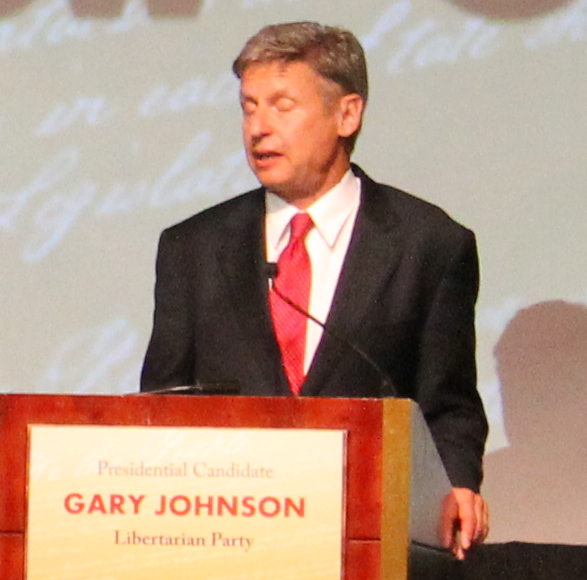
| 2016 | Gary Johnson (Libertarian) | 4,489,221 | 77,744 | Helped elect Trump over Clinton |
The spoiler effect demonstrates how third-party candidates, despite rarely winning elections, can decisively influence outcomes by drawing votes away from major party candidates. In 1844, the Liberty Party’s anti-slavery stance drew enough votes from the Whig candidate to elect Democrat James K. Polk. The 2000 election saw Ralph Nader’s Green Party candidacy potentially cost Al Gore the presidency by siphoning votes in Florida, where George W. Bush won by just 537 votes. Similarly, in 2016, Libertarian Gary Johnson’s presence on the ballot may have drawn enough votes from Hillary Clinton in key swing states to contribute to Donald Trump’s victory. These patterns reveal how third parties, while failing to win, consistently alter the trajectory of American politics. Reform advocates are working to create a more responsive system through the American political reform movement.
Historical Third Party Movements: From Populists to Progressives
Major Third Party Breakthroughs: States Won in 1892, 1912, 1924, 1948, and 1968
- 1892: Populist Party won 22 electoral votes and carried five states (Colorado, Idaho, Kansas, Nevada, North Dakota)
- 1912: Progressive Party (Bull Moose) won 88 electoral votes and carried six states (California, Michigan, Minnesota, South Dakota, Washington, Wisconsin)
- 1924: Progressive Party won 17% of the popular vote and carried Wisconsin
- 1948: States’ Rights Democratic Party (Dixiecrat) won 39 electoral votes and carried four states (Alabama, Louisiana, Mississippi, South Carolina)
- 1968: American Independent Party won 46 electoral votes and carried five states (Alabama, Arkansas, Georgia, Louisiana, Mississippi)
These breakthrough moments demonstrate that third parties have periodically achieved significant success at the state level, winning electoral votes and influencing national policy debates. The Populist movement of the 1890s brought attention to farmers’ economic struggles and advocated for reforms like the graduated income tax and direct election of senators. Theodore Roosevelt’s Progressive Party in 1912 championed women’s suffrage, child labor laws, and campaign finance reform. The Dixiecrat movement of 1948 highlighted racial segregation issues, while George Wallace’s American Independent Party in 1968 emphasized states’ rights and opposition to civil rights legislation. These movements, though ultimately unsuccessful in winning the presidency, forced major parties to address their concerns and adopt many of their policy proposals. Today’s third-party advocates are increasingly focused on fiscal responsibility political platform initiatives that promote sustainable economic policies.
The Decline of Competitive Third Parties: Last >5% National Vote in 1996
Since 1856, no third-party candidate has won the presidency, and the last time a third-party candidate received more than 5% of the national popular vote was in 1996 when Ross Perot captured 8.4% running as an independent. This marked a significant decline from earlier periods when third parties regularly achieved double-digit support. The 2024 election showed some resurgence, with third-party and independent candidates collectively receiving 2.13% of the vote, up from 1.86% in 2020. This modest increase suggests growing voter dissatisfaction with the two-party system, though it remains far below the levels needed to seriously compete for the presidency. The decline of competitive third parties can be attributed to increasingly sophisticated campaign strategies by major parties, stricter ballot access laws, and the consolidation of media power that makes it difficult for alternative voices to gain national exposure. Many third-party supporters are motivated by concerns about civil liberties political advocacy and the erosion of constitutional protections.
2024 Election Results: Modern Third Party Performance and Voter Dissatisfaction
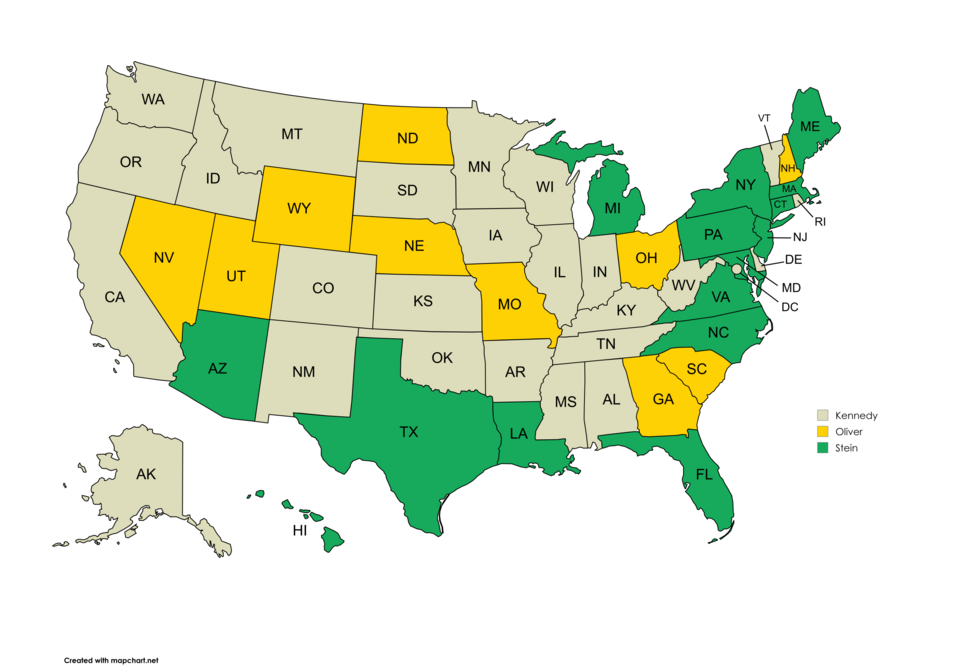
2024 Third Party Vote Breakdown: Stein 0.56%, Kennedy 0.49%, Oliver 0.42%
| Candidate | Party | Votes Received | Percentage |
|---|---|---|---|
| Jill Stein | Green | 868,945 | 0.56% |
| Robert F. Kennedy Jr. | Independent | 757,371 | 0.49% |
| Chase Oliver | Libertarian | 650,120 | 0.42% |
| Claudia De la Cruz | Party for Socialism and Liberation | 61,958 | 0.04% |
| Cornel West | Independent | 50,000+ | 0.03% |
| Total Third Party | Various | ~2,388,394 | 2.13% |
The 2024 election results revealed a modest but notable increase in third-party support compared to previous cycles. Green Party candidate Jill Stein received 868,945 votes, while independent candidate Robert F. Kennedy Jr. garnered 757,371 votes despite dropping out and endorsing Donald Trump before the election. Libertarian Chase Oliver captured 650,120 votes, continuing the party’s consistent presence in presidential elections. These results, totaling approximately 2.13% of the national vote, represent a slight increase from the 1.86% achieved in 2020 and suggest growing voter dissatisfaction with the traditional two-party options. The diversity of candidates and parties in 2024, ranging from progressive to libertarian to socialist, indicates a broadening of political discourse beyond the Democratic and Republican platforms. This trend aligns with the goals of the individual rights political movement, which seeks to protect personal freedoms across the political spectrum.
Growing 2026 Movement: Digital Organizing Challenges Two-Party Dominance
- Voter Dissatisfaction: Polls show increasing numbers of Americans identify as independents, with many expressing frustration with both major parties’ inability to address key issues
- Digital Organizing: Social media platforms and online fundraising tools have lowered barriers for third-party candidates to reach voters and build grassroots support
- Ballot Access Improvements: Legal challenges and advocacy efforts have led to some states relaxing restrictive ballot access requirements
- Policy Influence: Third parties are increasingly focusing on influencing major party platforms rather than winning elections outright
- Coalition Building: Independent and third-party movements are forming alliances to share resources and coordinate messaging
The 2026 political landscape shows promising developments for third-party movements, driven by technological advances and shifting voter attitudes. Digital organizing tools have democratized political campaigning, allowing third-party candidates to reach voters directly without relying on traditional media gatekeepers. Social media platforms enable rapid mobilization of supporters, while crowdfunding platforms provide alternative funding sources outside the traditional donor networks that dominate major party politics. Additionally, the growing number of voters who identify as independents suggests a potential realignment of American politics. These independents, frustrated with the polarization and gridlock of the two-party system, may be more receptive to alternative political movements that offer fresh perspectives and solutions to pressing national challenges. Organizations like American Civil Liberties Advocacy: Protecting Individual Rights in 2026 are working to protect constitutional freedoms that often get overlooked in partisan debates.
The historical analysis of American third parties reveals a consistent pattern: while these movements rarely achieve electoral victory, they play a crucial role in shaping the nation’s political discourse and policy agenda. From the Populists’ advocacy for economic reforms to the Progressives’ push for social justice, third parties have consistently introduced ideas that eventually become mainstream. The most surprising finding is that despite never winning the presidency, third parties have decisively influenced three presidential elections through the spoiler effect. To reduce this spoiler effect and create a more representative political system, voters and activists should support ranked-choice voting reforms, which allow voters to express their true preferences without fear of inadvertently helping elect their least-preferred candidate. For those seeking alternatives to the two-party system, Freedom for America offers a platform dedicated to individual liberty and limited government.
