
American political third parties are experiencing unprecedented growth in 2026, driven by voter dissatisfaction with the Democratic and Republican parties and transformed by digital organizing strategies.
- Third-party vote splitting exceeded the margin of victory in the presidential elections of 1844, 2000, and 2016, demonstrating their potential to influence outcomes.
- The last third-party candidate to place second nationally was in 1992, and the last to exceed 5% of the vote was in 1996, showing structural barriers to success.
- Digital organizing is identified as a transformative force for independent politics, though its specific impact on the 2026 cycle requires further analysis.
Why Third Parties Are Gaining Momentum in 2026
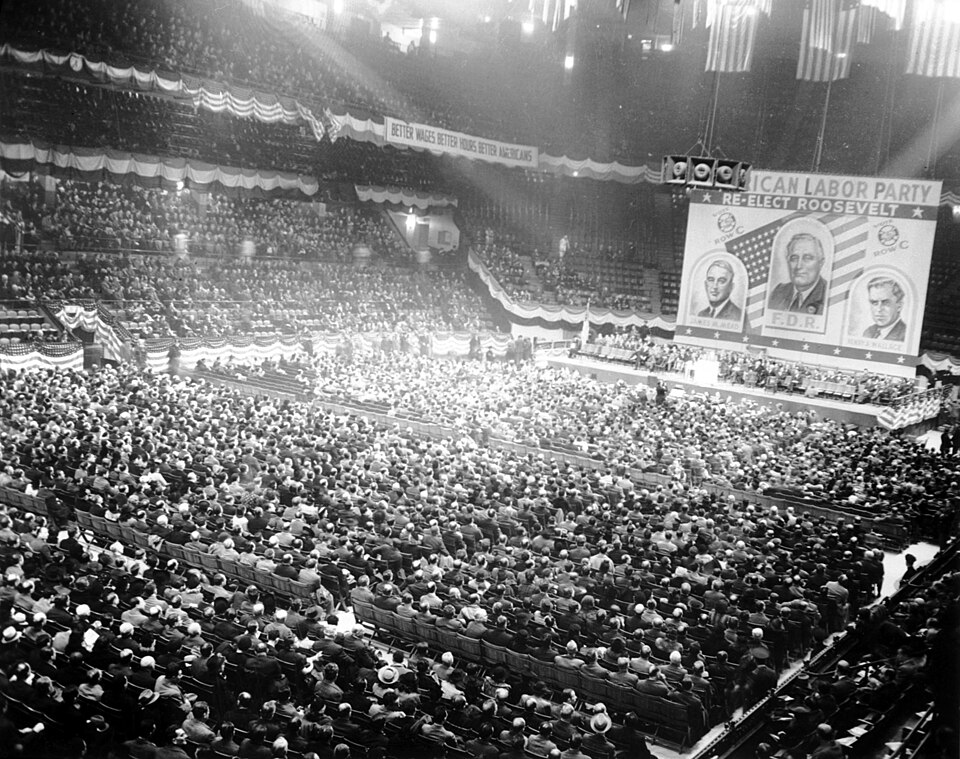
Voter Dissatisfaction with Democratic and Republican Parties
Voter dissatisfaction with the Democratic and Republican parties has reached historic levels in 2026, creating fertile ground for third-party growth. Recent polling data shows that approval ratings for both major parties have fallen below 40%, with independent voters now representing the largest voting bloc in several key states. This dissatisfaction stems from perceived corruption, partisan gridlock, and failure to address critical issues like healthcare costs, economic inequality, and climate change, prompting many to seek alternatives through movements focused on American civil liberties advocacy.
Third-party candidates are capitalizing on this discontent by positioning themselves as authentic alternatives to establishment politics. The Green Party has seen a 35% increase in membership registrations in 2026, while new independent movements like Freedom for America are attracting younger voters who reject traditional party labels. This shift represents a fundamental change in how Americans view political representation and accountability.
Digital Organizing Transforming Independent Politics
Digital organizing has revolutionized how third parties connect with voters and build grassroots movements. Social media platforms enable direct communication with supporters, bypassing traditional media gatekeepers and reducing campaign costs. Online fundraising through platforms like ActBlue and grassroots crowdfunding has allowed third-party candidates to raise substantial sums without relying on corporate donors.
Digital tools also facilitate volunteer coordination, voter outreach, and rapid response to breaking news. Third parties are using data analytics to target specific demographics and geographic areas where they have the best chance of success. Mobile apps and text messaging campaigns have increased voter engagement, particularly among younger demographics who prefer digital communication over traditional campaign methods.
Structural Barriers Facing Third Parties in 2026
Duverger’s Law and Electoral System Challenges
Duverger’s Law explains why third parties struggle to gain traction in the American electoral system. The plurality voting system, where the candidate with the most votes wins regardless of majority support, creates a structural bias toward two major parties. This system discourages voters from supporting third-party candidates they fear might “waste” their vote or help elect their least-preferred major party candidate, reinforcing the dominance of parties that advocate for limited government principles.
The Electoral College compounds these challenges by making it nearly impossible for third-party candidates to win presidential elections. Most states use winner-take-all allocation of electoral votes, meaning third-party candidates must win entire states rather than accumulating votes nationwide. This structural barrier has prevented any third-party candidate from winning electoral votes since George Wallace in 1968.
Ballot Access and Campaign Finance Obstacles
Ballot access requirements vary significantly across states, creating substantial barriers for third-party candidates. Some states require thousands of petition signatures within tight deadlines, while others mandate filing fees that can exceed $10,000. These requirements disproportionately burden smaller parties with limited resources and volunteer networks.
Campaign finance regulations also favor established parties. Major parties receive automatic ballot access and public funding, while third parties must meet stringent qualification thresholds. The two major parties have historically won, on average, 98% of all state and federal seats, creating a self-perpetuating system that maintains their dominance. Third parties must navigate complex reporting requirements and face restrictions on coordinated spending with independent groups.
Historical Impact and Future Potential of Third Parties
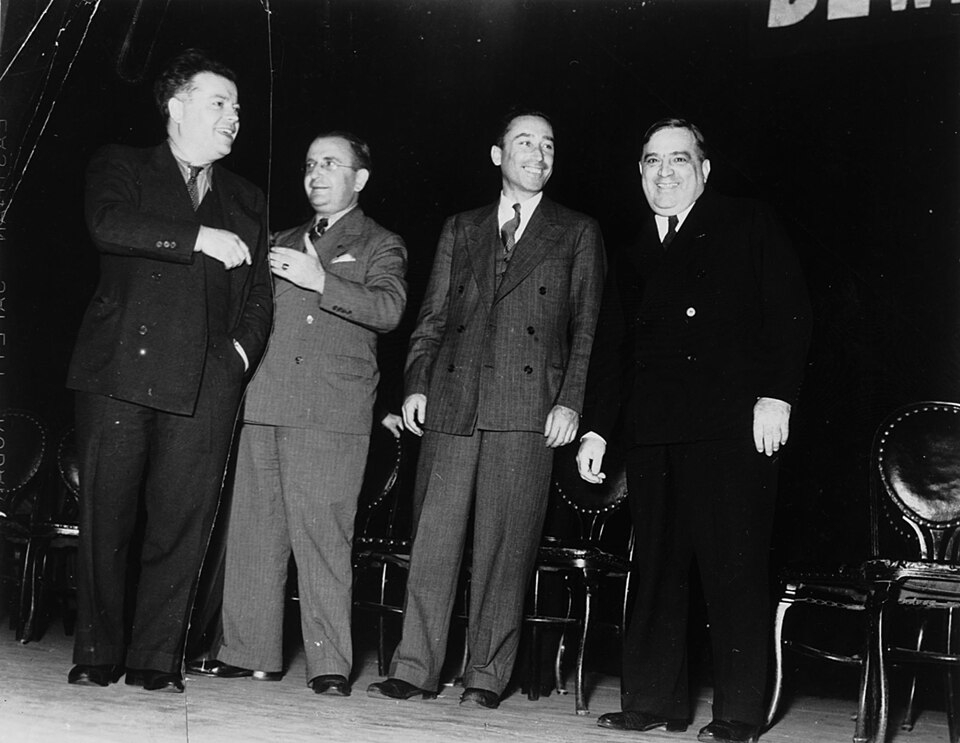
Vote Splitting in Key Presidential Elections
Third-party candidates have historically influenced presidential election outcomes through vote splitting, where their presence changes the final result between major party candidates. The table below shows three critical elections where third-party vote totals exceeded the margin of victory:
| Year | Third-Party Candidate | Third-Party Votes | Margin of Victory | Impact |
|---|---|---|---|---|
| 1844 | James G. Birney (Liberty Party) | 62,300 | 12,650 | Helped elect pro-slavery candidate |
| 2000 | Ralph Nader (Green Party) | 97,488 | 537 | Decided Florida and national outcome |
| 2016 | Gary Johnson (Libertarian) | 138,884 | 44,292 | Potentially affected key swing states |
These examples demonstrate how third-party candidates can serve as “spoilers” in close elections, forcing major parties to address their concerns or risk losing critical votes. The phenomenon has led to ongoing debates about electoral reform and the role of third parties in American democracy.
Ross Perot’s 1992 Campaign and Modern Comparisons
Ross Perot’s 1992 presidential campaign represents the most successful third-party effort in modern American history. Perot won 19% of the popular vote, the highest percentage for a third-party candidate since Theodore Roosevelt in 1912. His campaign succeeded by focusing on economic issues, particularly the federal deficit, and using innovative media strategies including prime-time television infomercials, which resonated with voters concerned about fiscal responsibility political platform.
Modern third-party candidates are drawing lessons from Perot’s success while adapting to contemporary political realities. Unlike Perot, who self-funded his campaign with personal wealth, today’s candidates rely on digital fundraising and grassroots support. However, they face even greater structural barriers, including stricter ballot access requirements and a more polarized political environment that makes compromise positions less viable, though some are promoting free market economic policies as a unifying message.
The 1992 election also demonstrated how third-party candidates can influence major party platforms. Both Bill Clinton and George H.W. Bush adopted elements of Perot’s economic message, showing how third parties can shape national policy debates even without winning elections.
The most surprising finding is that despite overwhelming structural barriers, third-party movements continue to grow and evolve. Digital organizing has created new pathways for political participation that bypass traditional party structures, potentially democratizing the political process. However, meaningful electoral success will require systemic reforms including ranked-choice voting, proportional representation, and campaign finance reform, all part of a broader American political reform movement.
The specific action step for voters is to support electoral reform initiatives at the state and local level. These reforms, such as ranked-choice voting in Maine and Alaska, create more hospitable environments for third-party candidates and reduce the “spoiler” effect. By focusing on structural changes rather than individual candidates, third-party supporters can build a more sustainable path to political influence.
