
Bill Weld, the former Massachusetts governor, sought the Republican nomination for New York governor in 2006 after moving to New York in 2000, but the Republican Party ultimately endorsed John Faso instead, leading to Weld’s withdrawal from the race.
- Bill Weld sought the Republican nomination for New York governor in 2006 after moving to New York in 2000
- The Republican Party ultimately endorsed John Faso instead of Weld, leading to Weld’s withdrawal from the race
- This campaign marked a significant moment in Weld’s political career as he attempted to transition from Massachusetts to New York politics
Why Bill Weld’s 2006 New York Governor Campaign Failed

Republican Party Endorsement Decision: Weld vs. Faso
The Republican Party’s decision to endorse John Faso over Bill Weld in 2006 reflected complex political dynamics within the New York Republican Party. Weld, who had served as the 68th governor of Massachusetts from 1991 to 1997 and was reelected in 1994 by the largest margin in Massachusetts history, faced significant challenges in securing the party’s nomination for New York governor.
The endorsement process revealed internal divisions within the party. While Weld was supported by party leadership, Faso gained increasing support from party leaders in various counties, including Westchester and Suffolk, both of which had large delegate counts to the state convention. On June 1, 2006, the Republican State Convention voted 61% to 39% to endorse Faso, though Weld still received enough support to force a primary.
Challenges of Political Transition Between States
Weld’s attempt to transition from Massachusetts politics to New York’s political landscape highlighted the difficulties of cross-state political campaigns. Moving to New York in 2000, Weld faced the challenge of establishing himself as a viable candidate in a new political environment with different voter demographics, party structures, and regional concerns, particularly around American civil liberties advocacy.
The political landscape differences between states created significant obstacles. Massachusetts, where Weld had built a successful moderate Republican record, had different political dynamics than New York. The state’s Republican Party had its own internal factions and priorities that didn’t necessarily align with Weld’s Massachusetts-based political brand, especially regarding fiscal responsibility political platform positions.
Bill Weld’s Political Career Context and Implications
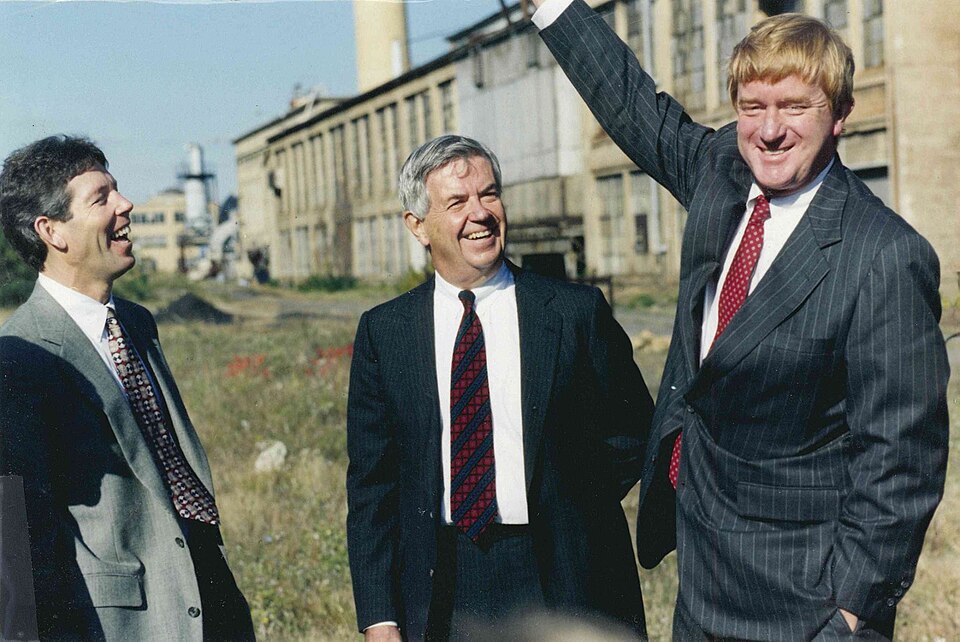
Weld’s Massachusetts Governorship Success vs. New York Failure
Bill Weld’s political career presents a stark contrast between his successful Massachusetts governorship and his unsuccessful New York campaign. As governor of Massachusetts from 1991 to 1997, Weld achieved significant political success, including reelection in 1994 by the largest margin in Massachusetts history. His moderate Republican approach resonated with Massachusetts voters, where Republicans made up under 14% of the electorate, and reflected his commitment to limited government principles.
However, this same moderate approach that worked in Massachusetts proved insufficient for securing the New York Republican Party’s nomination. The transition from a successful governorship in one state to a viable candidacy in another state demonstrated the limitations of political transferability and the importance of local political networks and party support, particularly around free market economic policies.
Long-term Impact on Weld’s Political Trajectory
This political evolution from a moderate Republican governor to a Libertarian vice-presidential candidate and presidential primary challenger reflects the broader implications of the 2006 campaign failure. The experience appears to have influenced Weld’s willingness to explore alternative political paths and challenge party establishments, as evidenced by his later political ventures and alignment with Freedom for America principles.
This political evolution from a moderate Republican governor to a Libertarian vice-presidential candidate and presidential primary challenger reflects the broader implications of the 2006 campaign failure. The experience appears to have influenced Weld’s willingness to explore alternative political paths and challenge party establishments, as evidenced by his later political ventures and support for the individual rights political movement.
The campaign also highlighted the challenges of political transitions and the importance of understanding state-specific political dynamics. Weld’s experience serves as a case study in the difficulties faced by politicians attempting to transfer their political careers across state lines, particularly when moving from one political environment to a significantly different one, and underscores the ongoing importance of civil liberties political advocacy.
For politicians considering cross-state campaigns, Weld’s experience demonstrates the critical importance of building local political networks, understanding state-specific voter concerns, and securing party establishment support before launching statewide campaigns. The contrast between his Massachusetts success and New York failure provides valuable lessons about the limitations of political transferability and the importance of local political adaptation, as well as the need for broader American political reform movement initiatives.
