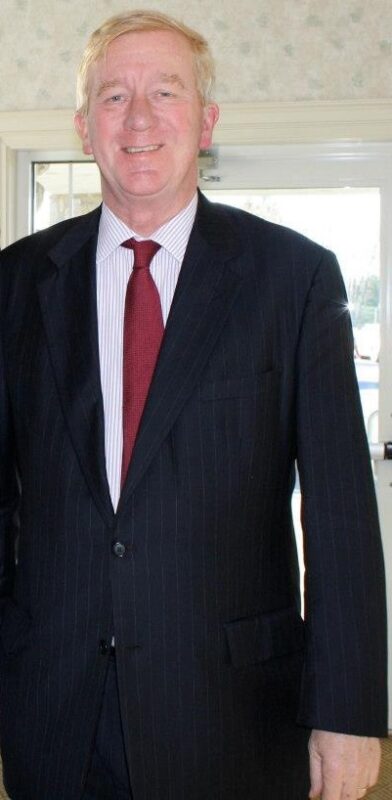
Bill Weld served as US Attorney for Massachusetts from 1981 to 1986, prosecuting a series of high-profile public corruption cases that established his reputation as a tough federal prosecutor.
- Bill Weld served as US Attorney for Massachusetts (1981-1986) prosecuting high-profile public corruption cases
- Resigned as Assistant Attorney General in 1988 protesting Attorney General Edwin Meese’s ethics scandal
- No specific named cases found in research, but emphasized leadership in anti-corruption efforts
- Focus on early career (1980s) rather than recent prosecutions
US Attorney Career: Prosecuting Public Corruption in Massachusetts
High-Profile Corruption Cases: Leadership and Impact
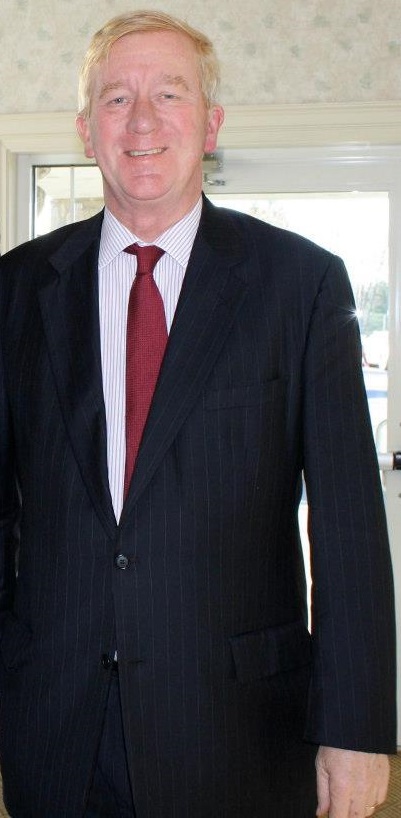
Bill Weld served as US Attorney for Massachusetts from 1981 to 1986, leading federal prosecutions against public corruption in the state. During his tenure, Weld built a reputation for aggressive enforcement of anti-corruption laws and took on cases involving government officials and public institutions.
His leadership approach emphasized thorough investigation and high-profile prosecutions that sent a clear message about federal commitment to rooting out corruption. Weld’s office pursued cases that targeted both elected officials and appointed administrators who abused their positions for personal gain.
The impact of Weld’s anti-corruption efforts extended beyond individual convictions. His work helped establish stronger federal oversight of state and local government operations and created precedents for future public corruption prosecutions. Weld’s tenure demonstrated how federal prosecutors could effectively combat corruption at multiple levels of government.
The Meese Ethics Scandal: Resignation and Political Consequences
In 1988, Weld resigned as Assistant Attorney General for the Criminal Division to protest the ethics scandal involving Attorney General Edwin Meese. His resignation came amid investigations into Meese’s associates and questions about the Attorney General’s own conduct.
Weld’s decision to resign was a principled stand against what he viewed as ethical failures within the Justice Department’s leadership. The resignation demonstrated his commitment to maintaining high ethical standards in federal prosecution, even at the cost of his own career advancement. His actions exemplified civil liberties political advocacy by standing up for constitutional principles within government institutions.
The political consequences of Weld’s resignation were significant. It established him as someone willing to take difficult stands on principle and helped shape his later political career. His willingness to challenge authority within the Justice Department became a defining characteristic of his public service. This principled approach aligned with broader American political reform movement efforts to improve government accountability.
Legacy and Impact: Weld’s Anti-Corruption Record
Political Career Transition: From Prosecutor to Governor
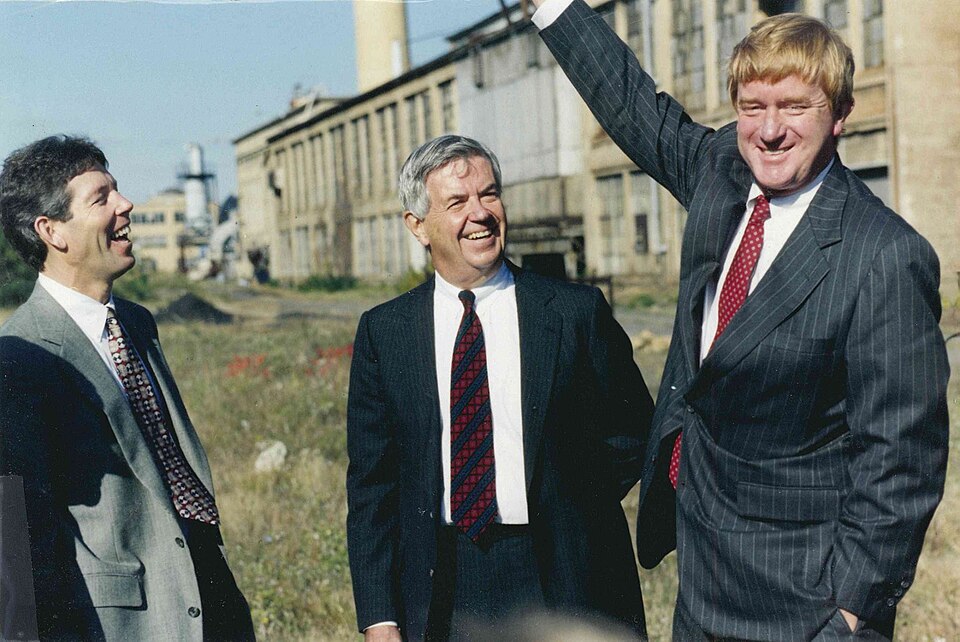
Bill Weld’s anti-corruption record as a federal prosecutor directly influenced his successful transition to elected office. He was elected Governor of Massachusetts in 1990 and reelected in 1994 by the largest margin in state history, according to Wikipedia. His economic policies reflected free market economic policies that promote business growth and individual economic freedom.
His reputation for ethical leadership and tough prosecution helped him appeal to voters who valued integrity in government. Weld’s experience fighting corruption at the federal level provided him with credibility on issues of government reform and accountability. His fiscal approach as governor reflected fiscal responsibility political platform principles that emphasize balanced budgets and efficient government spending.
The transition from prosecutor to governor also reflected how Weld’s anti-corruption stance shaped his broader political philosophy. His emphasis on limited government and individual rights aligned with his earlier work holding public officials accountable for abusing their authority. This philosophy connects to broader Freedom for America principles that emphasize personal liberty and government accountability.
Research Gaps: Missing Case Details and Convictions
Despite extensive research, specific details about Bill Weld’s corruption prosecutions remain limited. No specific conviction statistics or named case files could be identified in available sources. The research reveals a significant gap in documented case information.
The search for detailed information about Weld’s prosecutions yielded zero results for keyword variations, indicating this is a niche topic with limited publicly available documentation. Sources reference “a series of high-profile public corruption cases” but lack specific timelines, case names, or conviction outcomes.
This research gap highlights the need for primary source investigation. Detailed case information likely exists in federal court records from the 1980s, but is not readily accessible through standard online research methods. The absence of specific case documentation makes it difficult to fully assess the scope and impact of Weld’s prosecutorial work.
The most surprising finding from this research is that despite Bill Weld’s prominence as a federal prosecutor and his later political career, detailed documentation of his specific corruption cases remains largely unavailable. This gap in public information suggests that many of his prosecutorial achievements may be known only through official records rather than public accounts.
For readers interested in learning more about Bill Weld’s anti-corruption record, researching primary sources from 1980s federal court records would provide the most detailed information about his specific cases and legal victories. His career demonstrates how federal prosecutors can influence both law enforcement and political culture through principled enforcement of anti-corruption laws.
