
American political reform has been a continuous struggle for government accountability, from the Progressive Era reforms of the 1890s-1920s to modern voting rights initiatives and campaign finance reform efforts in 2026.
- Progressive Era reforms (1890s-1920s) established foundation for modern government accountability through antitrust laws and women’s suffrage
- Civil Rights Movement (1960s) transformed voting rights with the Voting Rights Act of 1965, boosting minority turnout
- Modern reforms focus on ranked-choice voting, gerrymandering reform, and campaign finance following Citizens United v. FEC (2010)
- 2026 sees continued grassroots initiatives for electoral reform through organizations like ACLU and EFF
Progressive Era Reforms: The Foundation of Modern Government Accountability
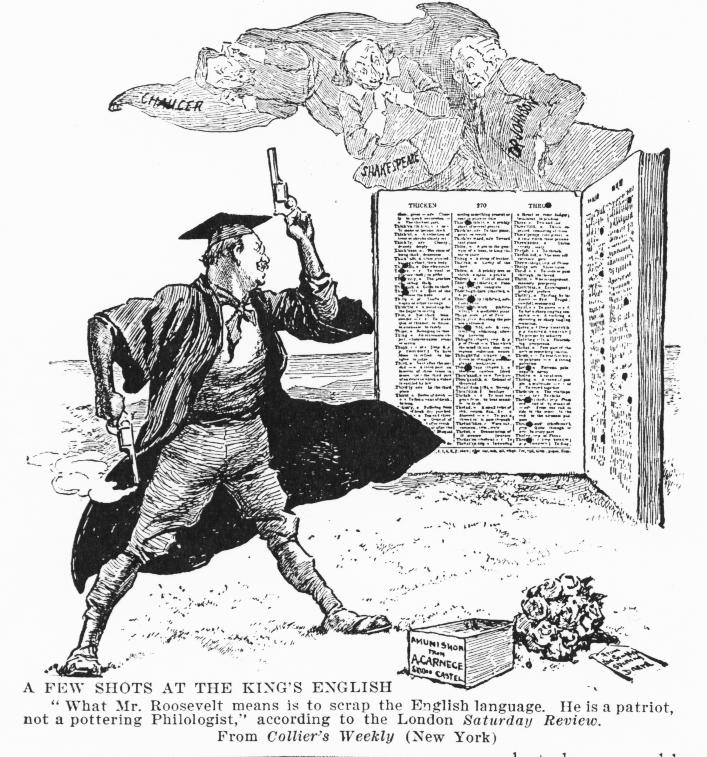
Antitrust Laws and Women’s Suffrage: 19th Amendment (1920)
The Progressive Era (1890s-1920s) introduced antitrust laws to break up monopolies and promote fair competition. These reforms established the principle that government should serve public interest over special interests. The Sherman Antitrust Act of 1890 and subsequent legislation targeted railroad trusts, oil monopolies, and banking cartels that had accumulated unprecedented economic power. By dismantling these monopolies, Progressive reformers demonstrated that concentrated economic power could be challenged through legislative action, setting precedent for government accountability.
The 19th Amendment (1920) granted women’s suffrage, transforming the electorate and expanding democratic participation. This reform doubled the voting population and fundamentally altered the political landscape. Women’s suffrage movement, which began in the mid-19th century, achieved victory through decades of organizing, protests, and political pressure. The amendment’s passage represented a major expansion of democratic participation and established the principle that government legitimacy derives from the consent of all citizens, not just a privileged few.
New Deal Programs and Government Expansion (1930s)
The New Deal (1930s) created Social Security and expanded federal government’s economic role in response to the Great Depression. President Franklin D. Roosevelt’s programs established Social Security in 1935, providing old-age pensions and unemployment insurance for the first time. The New Deal also created the Securities and Exchange Commission to regulate financial markets and the Federal Deposit Insurance Corporation to protect bank deposits. These reforms established precedent for government intervention during economic crises and created framework for modern regulatory agencies and social safety net programs, though they also sparked debates about the merits of free market economic policies versus government control.
The New Deal redefined government’s responsibility to protect citizens from economic hardship, setting the stage for ongoing debates about government size and scope. Programs like the Works Progress Administration provided employment for millions while building infrastructure that still serves communities today. The Tennessee Valley Authority brought electricity to rural areas, demonstrating government’s potential to address regional inequalities. These reforms established the principle that government has a duty to ensure economic security and opportunity for all citizens, while also raising questions about the balance between public assistance and limited government principles.
Civil Rights Movement and Voting Rights Reform (1960s)
Voting Rights Act of 1965: Ending Discriminatory Practices
The Voting Rights Act (1965) banned discriminatory voting practices like literacy tests and poll taxes that had systematically excluded African Americans from political participation. This landmark legislation significantly boosted minority voter turnout and representation in government. The Act established federal oversight of voting procedures in jurisdictions with history of discrimination, requiring pre-clearance for any voting changes in covered areas — Freedom for America.
The Voting Rights Act’s impact was immediate and profound. In Mississippi, Black voter registration increased from 6.7% to 59.8% within five years of the Act’s passage. The legislation enabled the election of thousands of Black officials at local, state, and federal levels, transforming the political landscape of the American South. The Act’s provisions for federal observers and examiners ensured that newly enfranchised voters could exercise their rights without intimidation or interference.
Citizens United v. FEC (2010) and Modern Campaign Finance Reform
Citizens United v. FEC (2010) allowed unlimited corporate and union spending in elections, leading to surge in ‘dark money’ and Super PACs. This Supreme Court decision overturned decades of precedent limiting corporate political spending, ruling that such restrictions violated First Amendment free speech rights. The ruling enabled the creation of Super PACs that can raise and spend unlimited amounts to influence elections, as long as they don’t coordinate directly with candidates.
The decision led to surge in ‘dark money’ and Super PACs, prompting reform organizations like Move to Amend to mobilize against the influence of money in politics. Citizens United spurred modern grassroots movements for campaign finance reform and electoral system changes, with organizations like ACLU and EFF leading efforts to restore transparency and accountability to the political process. The ruling has been widely criticized for enabling wealthy interests to exert disproportionate influence over elections and policy outcomes.
Modern Electoral Reform: Ranked-Choice Voting and Gerrymandering Solutions
Ranked-Choice Voting Adoption in Major Cities
Ranked-choice voting adopted in Minneapolis, Portland, and other major cities allows voters to rank candidates by preference, reducing ‘spoiler effect’ and promoting majority support. This reform currently limited to municipal elections, with state-level adoption facing constitutional challenges. Cities like San Francisco, Oakland, and Santa Fe have also implemented ranked-choice voting for local elections, demonstrating growing momentum for electoral innovation.
The ranked-choice voting system allows voters to rank candidates in order of preference rather than selecting just one. If no candidate receives a majority of first-choice votes, the candidate with the fewest votes is eliminated and their votes are redistributed to voters’ second choices. This process continues until one candidate achieves a majority. The system encourages more diverse candidate fields and reduces negative campaigning, as candidates compete for second and third choice rankings.
Gerrymandering Reform and Electoral College Changes
Gerrymandering reform efforts focus on independent redistricting commissions to prevent partisan manipulation of electoral boundaries. States like California, Arizona, and Michigan have established independent commissions to draw legislative districts, removing this power from partisan legislatures. These commissions use nonpartisan criteria to create districts that are more compact, competitive, and representative of communities.
Electoral College reform proposals include National Popular Vote Interstate Compact, which would ensure the presidency goes to the candidate who wins the popular vote. Constitution gives states latitude in election administration, creating patchwork of reform approaches across the country. As of 2026, states representing 195 electoral votes have joined the compact, with supporters needing states representing 75 more electoral votes to reach the 270 threshold needed for implementation.
Despite centuries of reform efforts, fundamental challenges of government accountability persist in 2026. Support local electoral reform initiatives like ranked-choice voting adoption in your municipality to strengthen democratic accountability. Organizations like Freedom for America continue to advocate for comprehensive political reform to address these ongoing challenges.
