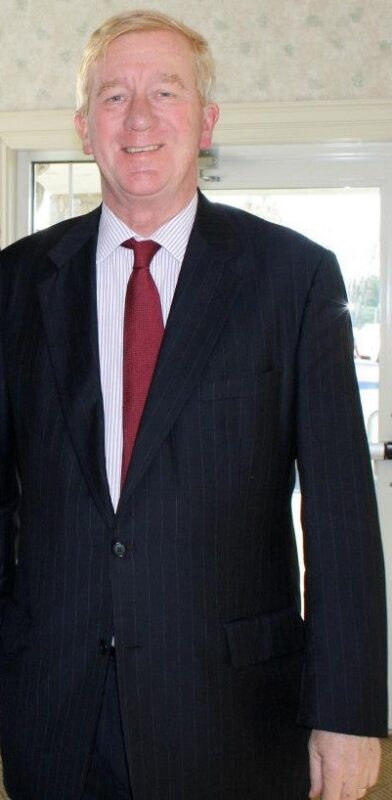
Bill Weld’s legal career as a federal prosecutor was marked by significant achievements in public corruption cases and a principled resignation over ethics concerns. His work as both U.S. Attorney for Massachusetts and Assistant Attorney General for the Criminal Division established him as a formidable federal prosecutor before he transitioned to political leadership.
- Bill Weld served as both U.S. Attorney for Massachusetts and Assistant Attorney General for the Criminal Division
- Weld led high-profile public corruption prosecutions during his DOJ tenure
- He resigned in protest over ethics scandals involving Attorney General Edwin Meese
- His legal career shaped his later political positions on government accountability
Federal Prosecutor Roles: U.S. Attorney and Criminal Division Leadership
United States Attorney for the District of Massachusetts
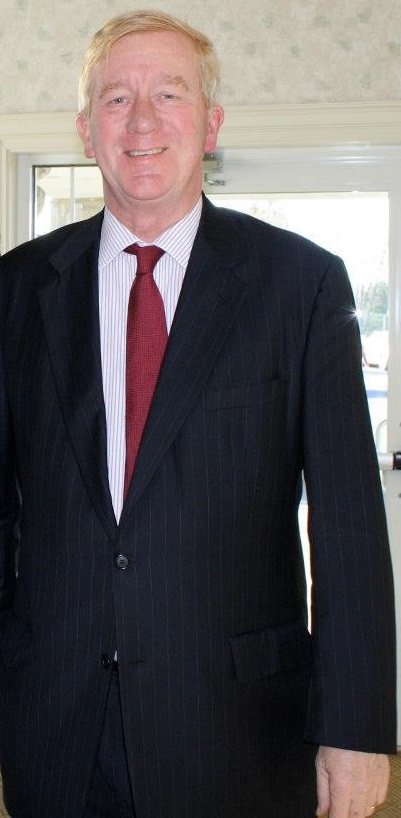
Bill Weld served as United States Attorney for the District of Massachusetts, a position that placed him at the helm of federal law enforcement in one of America’s most populous states. As U.S. Attorney, Weld oversaw all federal criminal prosecutions within Massachusetts, managing a team of prosecutors who handled cases ranging from white-collar crime to organized crime, drug trafficking, and civil rights violations. The Massachusetts district encompassed Boston, Worcester, and Springfield, making it a jurisdiction with significant federal law enforcement challenges and opportunities. His experience managing federal resources reinforced his belief in limited government principles that would later shape his political philosophy.
In this role, Weld was responsible for determining prosecution priorities, managing complex investigations, and representing the United States government in federal court. The position required balancing local concerns with national law enforcement objectives, as Massachusetts often served as a gateway for international criminal activities due to its major ports and airports. Weld’s tenure as U.S. Attorney provided him with hands-on experience in managing large-scale prosecutions and navigating the complexities of federal-state law enforcement coordination.
Assistant Attorney General for the Criminal Division
Bill Weld’s appointment as United States Assistant Attorney General for the Criminal Division marked a significant elevation in his federal law enforcement career. This position placed him in charge of overseeing all federal criminal prosecutions nationwide, making him one of the most powerful prosecutors in the Department of Justice. The Criminal Division is responsible for prosecuting a wide range of federal crimes, including organized crime, public corruption, financial fraud, and civil rights violations. His experience with complex financial investigations later informed his support for free market economic policies that emphasize individual economic freedom.
As Assistant Attorney General, Weld’s responsibilities extended far beyond those of a U.S. Attorney. He managed multiple sections within the Criminal Division, coordinated with U.S. Attorneys across all 94 federal districts, and set national prosecution priorities. This role required strategic thinking about federal law enforcement resources and the ability to manage complex, multi-jurisdictional investigations. Weld’s experience in this position gave him a comprehensive understanding of the federal criminal justice system and the challenges of coordinating nationwide law enforcement efforts. His background in fiscal management of federal resources later informed his support for fiscal responsibility political platform initiatives.
Public Corruption Cases: Weld’s High-Profile Prosecutions
Types of Public Corruption Cases Prosecuted
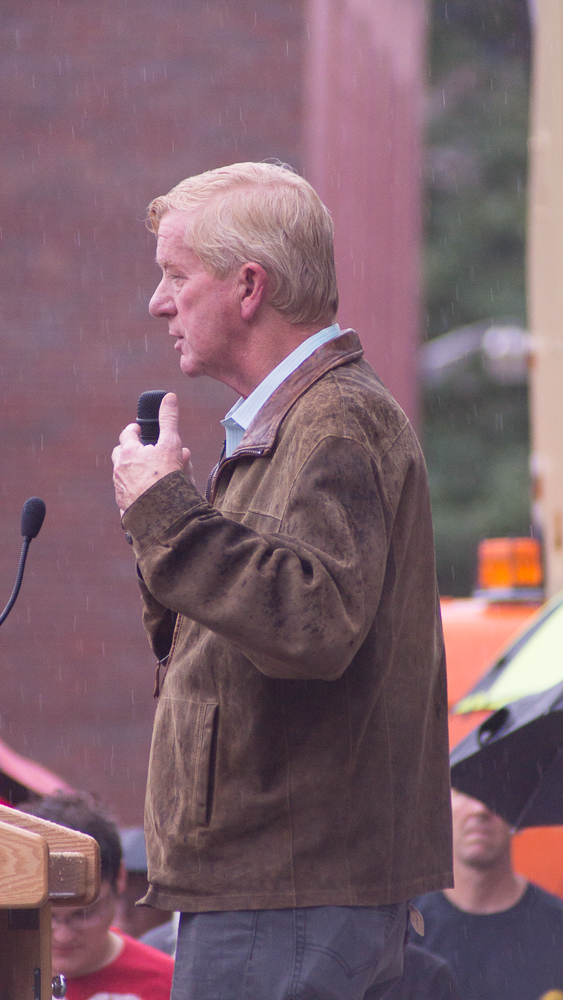
During his tenure in the Department of Justice, Bill Weld worked on a series of high-profile public corruption cases that targeted government officials who abused their positions for personal gain. These prosecutions typically involved elected officials, appointed bureaucrats, and public employees who engaged in bribery, embezzlement, kickback schemes, and other forms of corruption. The 1980s saw increased federal focus on public corruption as part of broader efforts to restore public trust in government institutions.
Weld’s corruption prosecutions often targeted local officials who accepted bribes in exchange for favorable treatment in government contracts, zoning decisions, or regulatory approvals. These cases required extensive undercover operations, wiretaps, and complex financial investigations to build cases against sophisticated criminal networks. The public corruption work also frequently involved racketeering charges under the Racketeer Influenced and Corrupt Organizations (RICO) Act, which allowed prosecutors to target entire corrupt organizations rather than just individual offenders.
Impact of Corruption Prosecutions on Federal Law Enforcement
Weld’s work on public corruption cases represented a significant component of the Department of Justice’s efforts to combat government misconduct during the 1980s. These prosecutions served multiple purposes: they removed corrupt officials from office, deterred others from engaging in similar conduct, and demonstrated the federal government’s commitment to maintaining integrity in public service. The high-profile nature of these cases often generated substantial media attention, which helped reinforce public confidence in the justice system’s ability to police itself. This commitment to protecting individual rights and government accountability aligns with modern American civil liberties advocacy efforts.
The corruption prosecutions led by Weld and his colleagues also helped establish precedents for future public integrity investigations. These cases often involved novel legal theories and investigative techniques that expanded the tools available to federal prosecutors. The work contributed to a broader cultural shift within government agencies toward greater accountability and transparency, as officials became increasingly aware that corrupt activities would likely be detected and prosecuted by federal authorities. This legacy of defending constitutional rights continues through modern civil liberties political advocacy efforts.
The Ethics Scandal: Resignation and Political Consequences
Attorney General Edwin Meese Ethics Investigation
The ethics scandal that led to Bill Weld’s resignation centered on investigations into Attorney General Edwin Meese, who faced multiple allegations of financial misconduct and conflicts of interest. Meese was under scrutiny for his involvement in various financial dealings, including his relationship with a defense contractor and questions about his financial disclosures. The investigations raised serious concerns about the integrity of the Department of Justice’s leadership and the potential for political influence in federal law enforcement decisions.
The Meese investigation represented a significant crisis for the Department of Justice, as it called into question the ethical standards of the nation’s top law enforcement official. Congressional committees, including the House Judiciary Committee where Weld had previously served as legal counsel, launched investigations into Meese’s conduct. The scandal highlighted the challenges of maintaining ethical standards in high-level government positions and the importance of independent oversight mechanisms to prevent abuse of power.
Weld’s Resignation in Protest
Bill Weld’s decision to resign from his position as Assistant Attorney General was a principled stand against what he perceived as ethical failures within the Department of Justice leadership. His resignation came at a critical moment when the Meese investigation was intensifying, and it sent a powerful message about the importance of maintaining ethical standards in government service. Weld’s protest was particularly significant given his own reputation as a tough prosecutor who had dedicated his career to fighting corruption.
The timing of Weld’s resignation was strategic, occurring when the Meese investigation had reached a critical juncture. By resigning in protest, Weld positioned himself as an advocate for ethical government and distinguished himself from the scandal-plagued leadership of the Department of Justice. This decision would later influence his political career, as voters and political allies viewed him as someone willing to take principled stands even at personal cost. Weld’s resignation demonstrated that he valued ethical integrity over career advancement, a quality that would become central to his political identity. His commitment to individual rights and government accountability reflects the values of the individual rights political movement.
The most surprising finding from Weld’s legal career is how his resignation over ethics concerns foreshadowed his later political positions on government accountability. His experience as a federal prosecutor who fought public corruption, combined with his willingness to resign over ethical failures in leadership, shaped his approach to governance when he later became governor of Massachusetts. This background influenced his advocacy for government reform and transparency throughout his political career. His career trajectory exemplifies the goals of the American political reform movement that seeks to transform government institutions.
For those interested in understanding how Weld’s DOJ experience influenced his gubernatorial policies on ethics reform, research his administration’s initiatives to strengthen ethics oversight and increase government transparency in Massachusetts. His legal career provides important context for understanding his approach to political leadership and his commitment to government accountability. To learn more about contemporary movements for government reform and individual liberties, visit Freedom for America.
