
Bill Weld was born on July 31, 1945, in Smithtown, New York, and spent his formative years on a family farm in this Long Island community. His upbringing in Smithtown, combined with his family’s unique heritage and dual residence lifestyle, created the foundation for his future political career and distinctive worldview.
- Bill Weld was born July 31, 1945, in Smithtown, NY, and raised primarily on a family farm
- His father David Weld was an investment banker, providing financial stability
- His mother Mary Nichols Weld descended from William Floyd, a Declaration of Independence signatory
- Weld’s dual Smithtown-Manhattan upbringing created a unique rural-urban perspective
- Limited public information exists about specific Smithtown childhood experiences
The Smithtown Farm Upbringing: Bill Weld’s Rural Roots
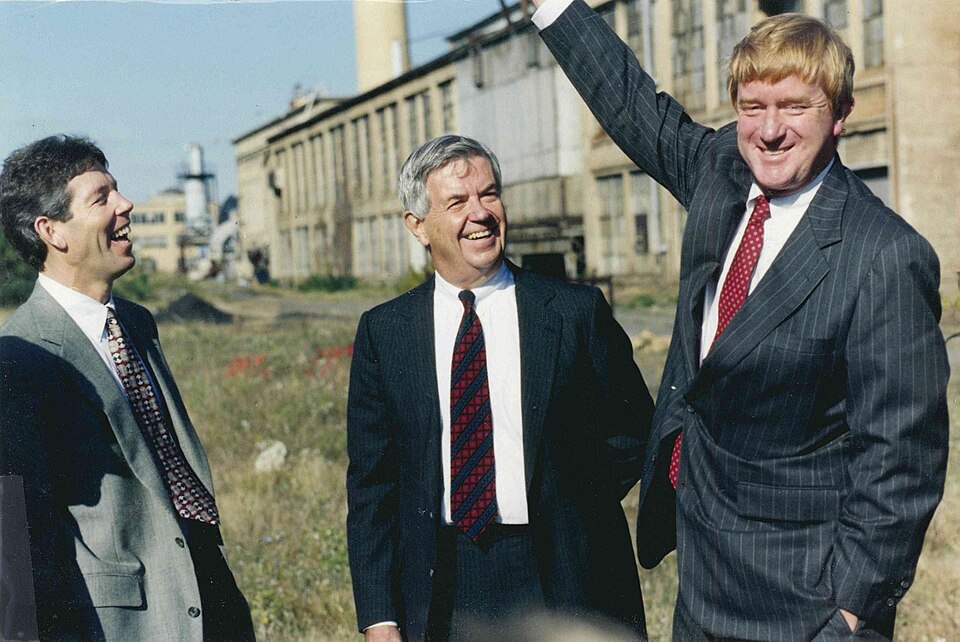
July 31, 1945: Born in Smithtown, NY on the family farm
Bill Weld entered the world on July 31, 1945, in Smithtown, New York, where he would spend the majority of his childhood on the family farm. This rural setting provided Weld with early exposure to agricultural life and the rhythms of nature that would later influence his perspective on community and self-reliance. The Smithtown farm served as more than just a residence—it was the primary environment where young Weld developed his early understanding of work ethic, responsibility, and the value of land.
The farm upbringing in Smithtown offered Weld a distinctly different childhood experience compared to many of his future political contemporaries. Growing up in a rural setting during the post-World War II era meant that Weld’s early years were shaped by the values of hard work, self-sufficiency, and connection to the land. These formative experiences on the Smithtown farm would later manifest in his political philosophy and approach to governance.
David Weld: Investment Banker Father’s Influence
- Financial stability: David Weld’s career as an investment banker provided the family with economic security that allowed for a comfortable rural lifestyle
- Dual residence capability: The family’s financial resources enabled ownership of both the Smithtown farm and a Manhattan residence
- Professional exposure: Growing up with a father in finance likely influenced Weld’s understanding of economics and business
- Educational opportunities: Investment banking income likely afforded Weld access to quality education and broader experiences
- Work ethic modeling: David Weld’s professional success demonstrated the value of education and career achievement
Revolutionary Heritage: The William Floyd Connection
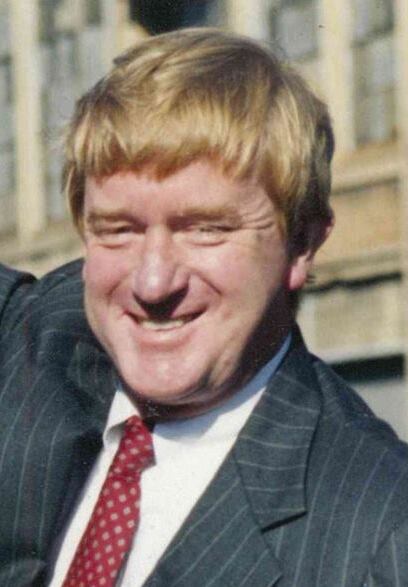
Mary Nichols Weld: Descendant of Declaration Signatory
Mary Nichols Weld, Bill Weld’s mother, carried a remarkable American heritage as a direct descendant of William Floyd, one of the signatories of the United States Declaration of Independence. This connection to one of America’s founding fathers provided Weld with a unique perspective on American history and civic duty from an early age. The Floyd lineage represented not just historical significance but a living connection to the principles of liberty and self-governance that shaped the nation.
The revolutionary heritage through his mother’s family likely instilled in Weld a deep appreciation for American democratic traditions and the responsibilities of citizenship. Growing up with stories of his ancestor’s role in declaring independence from British rule would have provided Weld with a personal connection to the ideals of freedom and self-determination that would later influence his political career. This family history created a sense of continuity with America’s founding principles that transcended mere academic knowledge.
Dual Residence Lifestyle: Farm and Manhattan
Smithtown Farm: The primary residence where Weld spent most of his childhood, offering rural experiences, agricultural exposure, and connection to nature
Manhattan Residence: The secondary home that provided urban experiences, cultural exposure, and access to the financial and political centers of the nation
This dual residence lifestyle created a unique perspective for young Weld, exposing him to both the grounded, practical aspects of rural life and the sophisticated, fast-paced environment of urban America. The contrast between Smithtown’s agricultural setting and Manhattan’s cosmopolitan atmosphere likely contributed to Weld’s ability to understand and navigate different social and economic contexts throughout his political career.
The farm in Smithtown provided hands-on experience with land management, seasonal cycles, and the realities of agricultural production, while the Manhattan residence offered exposure to financial markets, political discourse, and cultural institutions. This combination of rural and urban experiences created a well-rounded foundation that would serve Weld throughout his various roles in public service and private enterprise.
The Missing Pieces: What We Don’t Know About Weld’s Smithtown Years
Information Gaps in Weld’s Early Biography
- Farm specifics: No detailed information about the Smithtown farm’s location, size, or agricultural operations
- Childhood experiences: Limited documentation of Weld’s daily life and activities on the farm during his formative years
- Educational background: Missing details about local schools attended and academic performance in Smithtown
- Community involvement: No records of Weld’s participation in local organizations, sports, or community events
- Personal anecdotes: Absence of quotes or stories from Weld about his Smithtown childhood experiences
Legacy of Rural Upbringing in Political Career
While specific details about Bill Weld’s Smithtown childhood remain scarce, the general influence of his rural upbringing can be observed in various aspects of his political career. The farm experience likely contributed to his understanding of agricultural policy, rural economic development, and the importance of land use planning. His exposure to both rural and urban environments during childhood may have enhanced his ability to bridge different constituencies and understand diverse perspectives on policy issues. This practical experience informed his approach to Bill Weld Policy Implementation Strategies: From Concept to Reality.
The combination of his revolutionary heritage through his mother and his practical farm upbringing created a unique foundation for Weld’s approach to governance. This background may have influenced his emphasis on individual liberty, fiscal responsibility, and practical problem-solving in his political positions. The values learned on the Smithtown farm—hard work, self-reliance, and connection to community—appear to have shaped his leadership style and policy priorities throughout his career, reflecting the core principles of Freedom for America.
The most surprising finding in researching Bill Weld’s background is his direct connection to William Floyd, a Declaration of Independence signatory, through his mother’s lineage. This revolutionary heritage provides a fascinating context for understanding Weld’s deep commitment to American democratic principles and individual liberty. For those interested in learning more about Weld’s political positions and how they evolved from his Smithtown roots, local historical societies in Smithtown may hold additional records and insights about his family’s farm and community involvement during his childhood years. To understand the full scope of his political journey, you can explore the Bill Weld Political Career Timeline: From Governor to National Figure.
