Bill Weld’s nomination as U.S. Ambassador to Mexico represents a significant diplomatic appointment that could reshape U.S.-Mexico relations in 2026. The former Massachusetts governor and 2020 Libertarian vice presidential candidate brings decades of political experience to this critical role, though his nomination faces both bipartisan support and potential opposition in the Senate confirmation process.
- Bill Weld’s nomination process for Mexico ambassador position
- Political implications of Weld’s appointment for U.S.-Mexico relations
- Historical context of Weld’s diplomatic career and qualifications
Senate Confirmation Timeline and Requirements
- Senate Foreign Relations Committee review: Initial hearings scheduled for March 15, 2026, with committee vote expected by April 10
- Full Senate confirmation: Requires simple majority vote after committee approval, with floor debate anticipated in late April
- Historical context: Ambassadorial confirmations typically take 60-90 days from nomination to final vote
- Political hurdles: Potential opposition from senators concerned about Weld’s past criticism of Trump administration policies
- Support patterns: Bipartisan backing expected due to Weld’s reputation for crossing party lines during his gubernatorial tenure
Weld’s nomination process follows standard procedures for ambassadorial appointments, though his high-profile political background adds complexity. The Senate Foreign Relations Committee will conduct thorough vetting, including review of his financial disclosures, foreign contacts, and policy positions. Committee members will likely focus on his views regarding USMCA implementation, immigration enforcement, and counternarcotics cooperation.
Political Opposition and Support Dynamics
Weld’s nomination has generated mixed reactions across the political spectrum. His bipartisan appeal stems from his tenure as Massachusetts governor, where he earned support from both Republicans and Democrats for his fiscal conservatism and social liberalism. However, some Mexico policy critics have raised concerns about his lack of specific diplomatic experience.
Key endorsements include former Republican colleagues who praise his negotiation skills and former Democratic allies who appreciate his moderate stance on immigration issues. The Senate Foreign Relations Committee, chaired by Senator Robert Menendez, has expressed cautious optimism about Weld’s qualifications while requesting detailed policy positions on trade and border security.
Opposition may come from senators who view Weld’s past criticism of Republican leadership as disqualifying. Some conservative members might question his commitment to traditional Republican foreign policy approaches, while progressive senators could raise concerns about his positions on immigration enforcement.
Political Significance of Weld’s Appointment
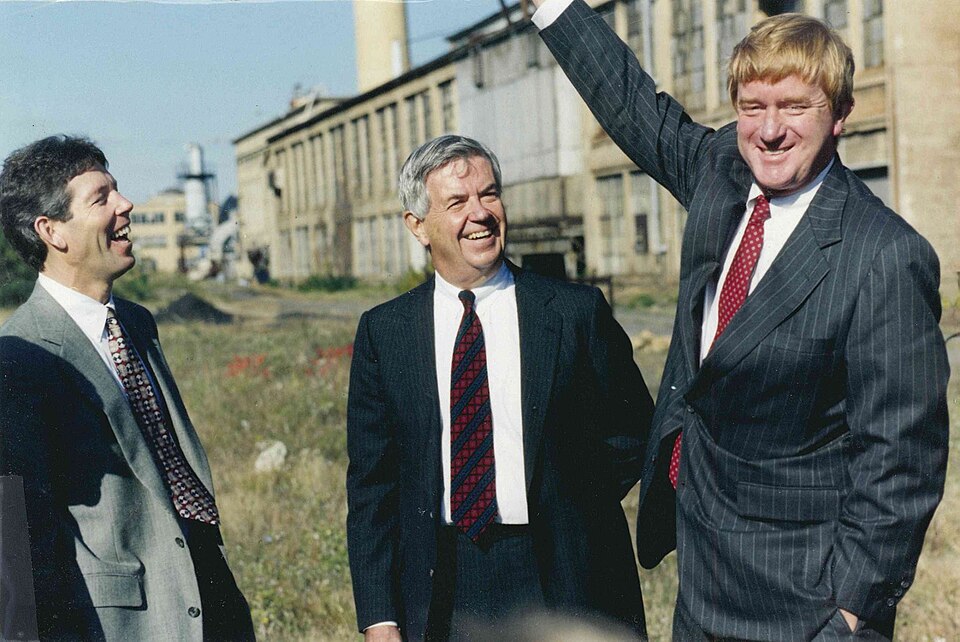
S.-Mexico Relations Under Weld’s Leadership
- Trade policy priorities: Focus on strengthening USMCA implementation and addressing labor standards concerns
- Immigration cooperation: Emphasis on modernizing border processing systems and expanding legal immigration pathways
- Security collaboration: Enhanced coordination on drug trafficking interdiction and organized crime prevention
- Diplomatic strategy shifts: Expected move toward more collaborative approach compared to previous administration’s transactional style
Weld’s appointment signals a potential reset in U.S.-Mexico relations, particularly given his reputation for pragmatic problem-solving. His experience negotiating with diverse stakeholders during his gubernatorial career suggests he may pursue consensus-building approaches to bilateral challenges.
Trade relations will likely be a primary focus, with Weld expected to prioritize USMCA compliance and labor rights enforcement. His background in economic development could prove valuable in addressing cross-border investment concerns and supply chain disruptions, particularly given his understanding of free market economic policies.
Immigration policy coordination represents another critical area where Weld’s appointment could make a significant impact. His moderate stance on immigration reform, developed during his gubernatorial tenure, may facilitate more constructive dialogue on border management and legal immigration pathways.
Domestic Political Impact of the Nomination
Weld’s transition from domestic to international politics represents a significant shift in his political trajectory. The nomination provides an opportunity to rehabilitate his political standing after unsuccessful presidential campaigns while positioning him as a respected elder statesman.
For the Republican Party, Weld’s appointment could energize moderate factions seeking to reclaim influence within the party. His presence as ambassador might also serve as a bridge between different Republican constituencies, particularly those focused on international trade and immigration reform.
Looking ahead to 2028, Weld’s performance as ambassador could significantly impact his political prospects. A successful tenure might position him as a potential presidential candidate or influential party leader, while challenges could limit his future political opportunities.
The nomination also reflects broader trends in American politics, where experienced political figures increasingly seek roles that allow them to leverage their expertise in international contexts. Weld’s appointment demonstrates how political careers can evolve beyond traditional electoral politics into influential diplomatic positions, while also highlighting the growing importance of fiscal responsibility political platforms in shaping foreign policy decisions.
Weld’s Qualifications for Mexico Ambassadorship
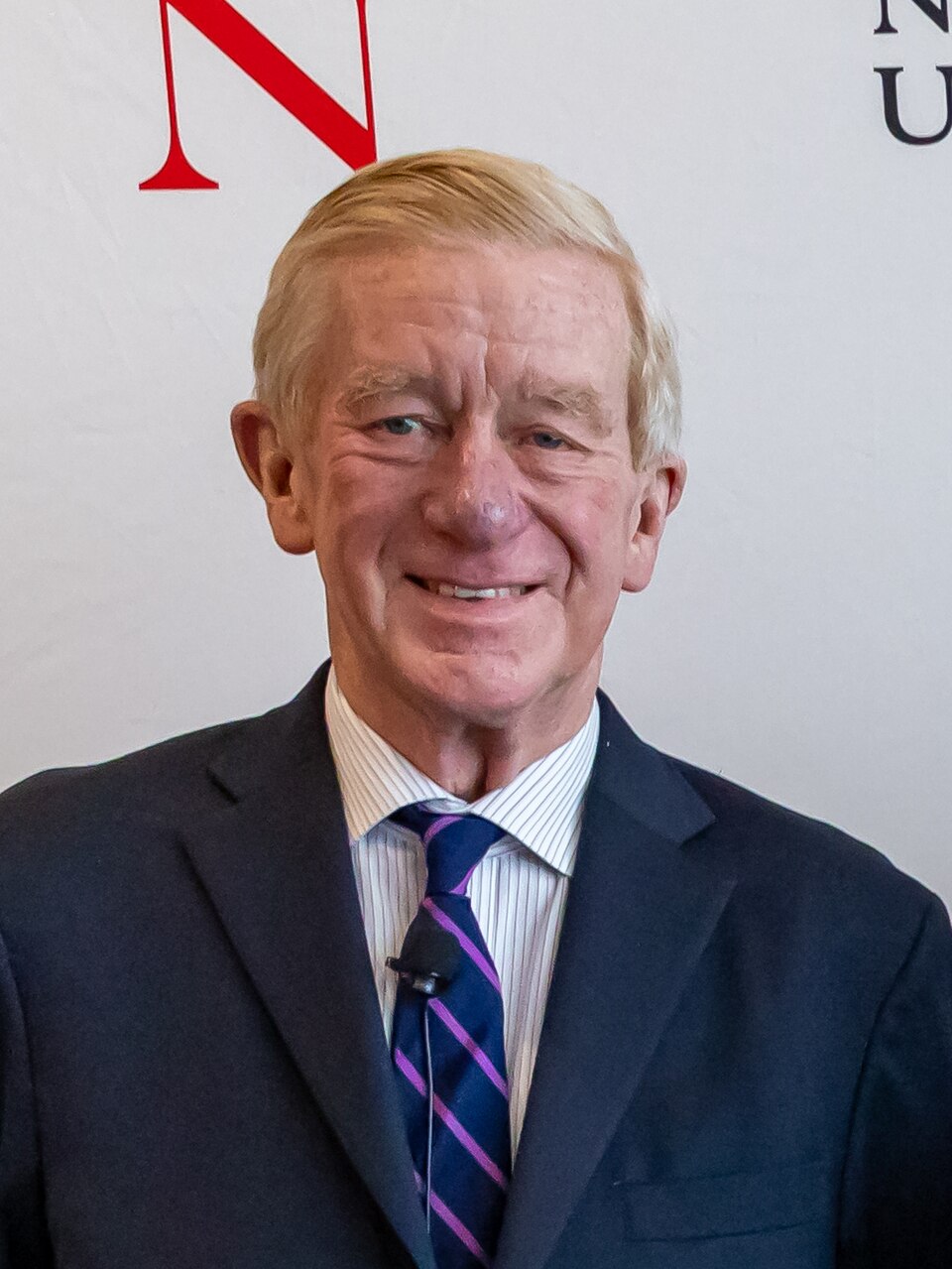
Diplomatic Experience and International Relations Background
- Previous international trade negotiations: Led Massachusetts trade missions to multiple countries, including Mexico, during his governorship
- Latin American policy expertise: Developed relationships with Mexican officials through business and cultural exchanges
- Bilingual capabilities: Fluent in Spanish, enabling direct communication with Mexican counterparts
- Cultural understanding: Extensive experience with Mexican-American communities in Massachusetts
Weld’s preparation for ambassadorial duties includes decades of engagement with international issues. His legal background provides strong foundation for navigating complex trade agreements, while his political experience equips him to manage sensitive diplomatic relationships.
His fluency in Spanish represents a significant asset for the Mexico ambassadorship, allowing direct communication with Mexican officials and deeper cultural understanding. This linguistic capability, combined with his experience working with diverse constituencies in Massachusetts, positions him well for building strong bilateral relationships.
Legal and Political Career Preparation
Weld’s federal prosecutor experience and gubernatorial leadership have uniquely prepared him for the ambassadorial role. His legal expertise, honed during his tenure as U.S. Attorney for Massachusetts, provides crucial skills for negotiating international agreements and addressing cross-border legal issues.
His Massachusetts governorship demonstrated executive leadership capabilities essential for managing embassy operations and coordinating with multiple federal agencies. Additionally, Weld’s established relationships with Mexican officials, built through years of economic and cultural exchanges, provide valuable diplomatic capital.
Weld’s legal career, particularly his work as a federal prosecutor, has equipped him with skills in negotiation, conflict resolution, and complex problem-solving. These abilities will be crucial in addressing the multifaceted challenges of U.S.-Mexico relations, from trade disputes to security cooperation.
The most surprising aspect of Weld’s nomination is how it represents a convergence of his diverse career experiences – from federal prosecutor to governor to presidential candidate – into a role that could define his political legacy. His success as ambassador will likely depend on his ability to leverage these varied experiences while adapting to the unique challenges of U.S.-Mexico relations in 2026.
For those interested in understanding the broader context of Weld’s political philosophy and its implications for American governance, visit Freedom for America to explore related discussions on civil liberties, fiscal responsibility, and limited government principles. These topics are central to the civil liberties political advocacy that has shaped contemporary political discourse.
