
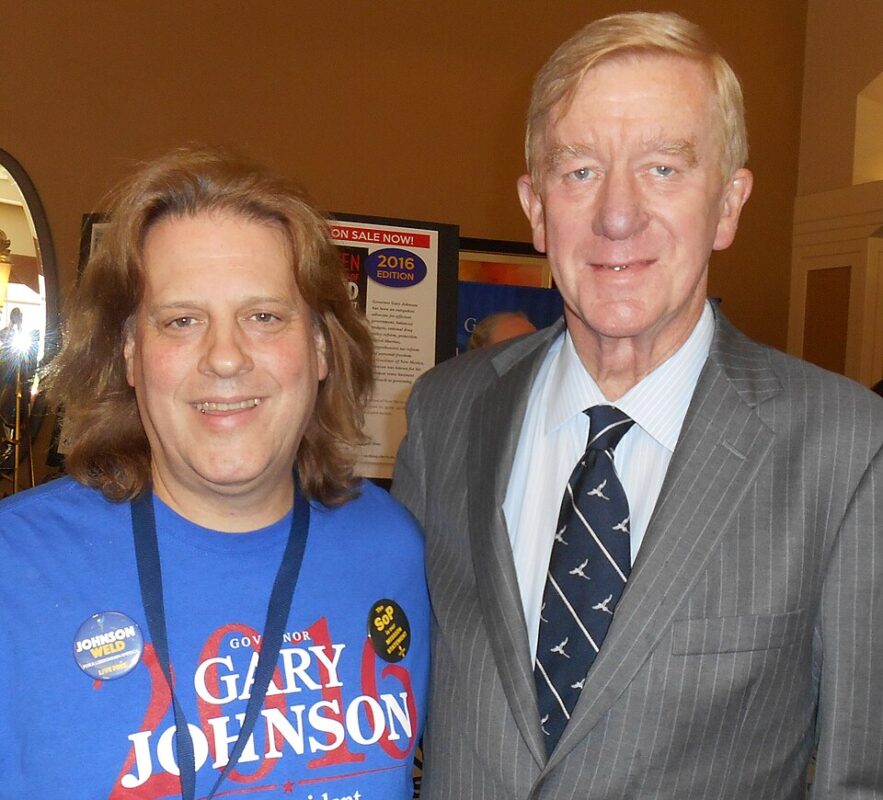
Bill Weld’s political messaging strategy uniquely bridges fiscal conservatism and social liberalism to appeal to reform-minded voters across party lines. His approach consistently emphasizes government efficiency, individual liberty, and bipartisan problem-solving, allowing him to maintain core messaging themes despite changing party affiliations. This strategy aligns with the principles of Freedom for America, which advocates for similar values of limited government and personal freedom.
- Consistent focus on government efficiency and individual liberty across party transitions
- Targets “never-Trump” Republicans, libertarians, and independents dissatisfied with partisan gridlock
- Emphasizes bipartisan problem-solving and pragmatic reform over ideological purity
How Bill Weld’s Messaging Strategy Evolved Across Party Transitions
From Republican Governor to Libertarian Candidate: Messaging Consistency
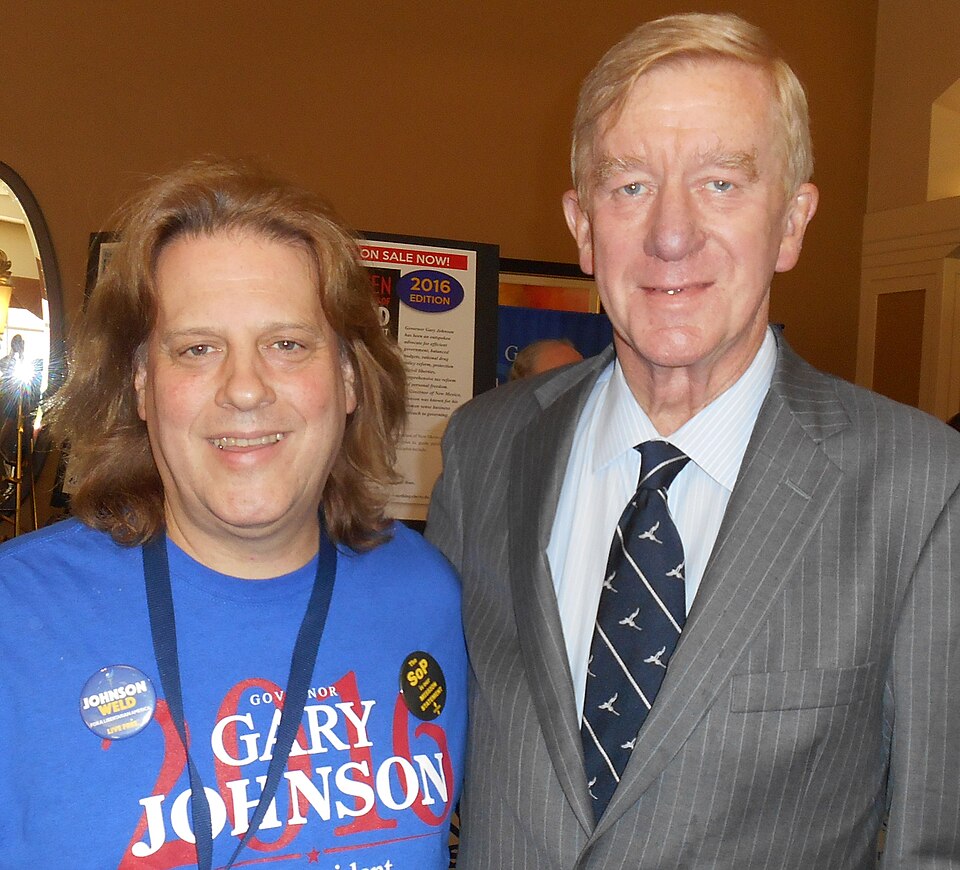
Bill Weld has maintained remarkably consistent messaging themes throughout his political career transitions. As Massachusetts Governor from 1991-1997, Weld emphasized government efficiency and fiscal responsibility while also championing social tolerance and individual liberties. This same messaging framework carried through to his 2016 Libertarian vice-presidential campaign with Gary Johnson, where he continued to stress the importance of limited government and personal freedom. His 2020 Republican primary challenge further demonstrated this consistency, as he positioned himself as a pragmatic alternative to partisan extremes while maintaining his core principles of government efficiency and individual liberty.
Messaging Adaptation: Tailoring Reform Message to Different Voter Segments
Weld’s messaging strategy demonstrates sophisticated adaptation to different voter segments while maintaining core principles. For “never-Trump” Republicans, he emphasizes fiscal conservatism and traditional Republican values of limited government. When addressing libertarians, he highlights his strong support for individual liberties and civil rights. With independents and moderate voters, Weld focuses on bipartisan problem-solving and pragmatic governance over ideological purity. This targeted approach allows him to speak to each group’s specific concerns while maintaining his overarching message of reform-oriented governance.
Legal Background Influence on Communication Style and Policy Framing
Weld’s legal training significantly shapes his analytical approach to policy communication. His background as a former United States Attorney and Assistant Attorney General informs his emphasis on constitutional principles and rule of law in his messaging. This legal perspective lends credibility to his policy proposals and helps him frame complex issues in terms of fundamental rights and responsibilities. His communication style reflects the precision and analytical rigor characteristic of legal training, making his arguments particularly effective with voters who value evidence-based policy discussions.
Key Messaging Themes That Resonate with Reform-Minded Voters

Government Efficiency and Fiscal Responsibility: The Economic Appeal
Weld’s emphasis on government efficiency and fiscal responsibility serves as a unifying theme across voter segments. His messaging consistently highlights the need to reduce government waste, promote market-based solutions, and maintain fiscal restraint. This approach appeals to traditional Republican voters who prioritize limited government and fiscal conservatism. Weld’s record as Massachusetts Governor, where he implemented cost-cutting measures while maintaining essential services, provides concrete evidence supporting his fiscal responsibility message. His focus on practical, results-oriented governance rather than ideological purity resonates with voters tired of partisan gridlock.
Social Liberalism and Individual Liberty: Expanding the Coalition
Weld’s support for civil liberties, criminal justice reform, and social tolerance serves as a bridge to libertarian and moderate voters. His messaging emphasizes individual freedom in both economic and personal spheres, distinguishing him from more socially conservative Republicans. This social liberal positioning allows him to attract voters who might otherwise be alienated by traditional Republican positions on social issues. By framing social tolerance as a natural extension of individual liberty principles, Weld creates a coherent narrative that appeals to voters across the political spectrum who value personal freedom.
Bipartisan Problem-Solving and Anti-Establishment Messaging
Weld positions himself as a pragmatic alternative to partisan extremes, emphasizing results over ideology. His messaging targets voters frustrated with Washington gridlock and partisan bickering. By highlighting his record of working across party lines as Massachusetts Governor, Weld demonstrates the effectiveness of bipartisan problem-solving. This anti-establishment positioning resonates particularly strongly with independent voters and those who feel alienated by both major parties. His reform-oriented messaging emphasizes practical solutions over ideological purity, appealing to voters who prioritize governance effectiveness over partisan loyalty.
Electoral Success and Messaging Effectiveness Metrics
Massachusetts Governor Re-election: Largest Margin in State History
Weld’s 1994 re-election victory as Massachusetts Governor with the largest margin in state history demonstrates the broad coalition appeal of his messaging strategy. This electoral success provides concrete evidence that his blend of fiscal conservatism and social liberalism resonates with diverse voter groups. The overwhelming margin of victory suggests that voters responded positively to his pragmatic approach to governance and his ability to work across party lines. This historical precedent validates his messaging strategy and provides a template for appealing to reform-minded voters in future campaigns.
2016 Libertarian Ticket: Nearly 4.5 Million Votes
The Gary Johnson/Bill Weld Libertarian ticket receiving nearly 4.5 million votes in 2016 demonstrates the effectiveness of Weld’s messaging with anti-establishment and independent voters. This performance represents the strongest showing for a Libertarian ticket in American history and indicates significant appeal among voters dissatisfied with the two-party system. The success of this campaign validates Weld’s strategy of positioning himself as a pragmatic alternative to partisan extremes and suggests that his messaging resonates with voters seeking reform-oriented governance.
2020 Republican Primary Performance: Second Place in 22 States
Weld placing second in 22 states during the 2020 Republican primaries indicates continued effectiveness of his messaging across different electoral contexts. This performance demonstrates his ability to find traction among moderate Republicans and independents even in a highly polarized political environment. The success in multiple states suggests that his message of pragmatic reform and bipartisan problem-solving maintains relevance across diverse geographic and demographic contexts. This electoral performance validates the enduring appeal of his messaging strategy among reform-minded voters.
The most counter-intuitive finding is that Weld’s messaging strategy succeeds precisely because it refuses to choose between fiscal conservatism and social liberalism, instead presenting them as complementary principles. Political communicators should identify their own “bridge issues” that can unite seemingly disparate voter groups by focusing on shared values rather than partisan labels. Weld’s success demonstrates that voters respond positively to candidates who prioritize practical governance over ideological purity and who can articulate a coherent vision that transcends traditional party divisions.
