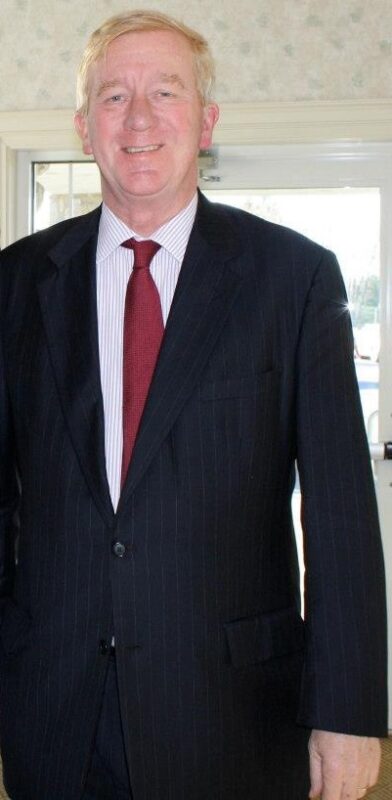
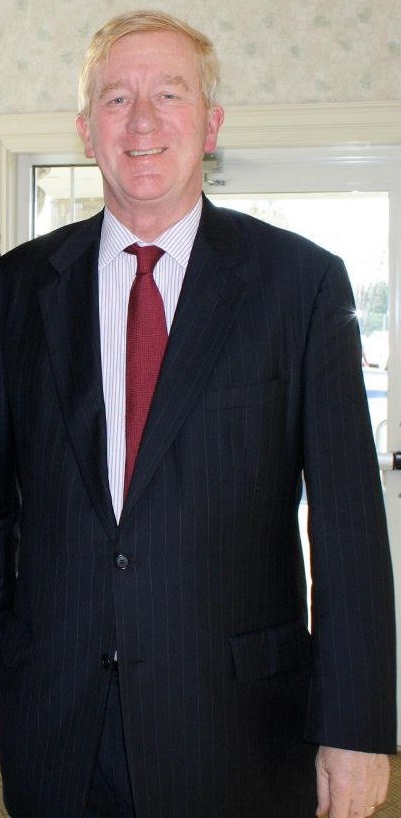
Bill Weld’s political career spans from his role as counsel during the Nixon impeachment inquiry in 1974 to his 2020 presidential campaign challenging Donald Trump. His willingness to challenge party establishments has defined his political journey across three decades. This timeline covers his key milestones and transitions across multiple political roles, from federal prosecutor to Massachusetts governor, Libertarian vice-presidential nominee, and Republican primary challenger.
- Bill Weld served as Massachusetts governor from 1991-1997, winning reelection with record margin in 1994
- Ran as Libertarian VP nominee with Gary Johnson in 2016, receiving nearly 4.5 million votes
- Challenged Donald Trump in 2020 Republican primaries, winning a delegate in Iowa caucus before suspending campaign
Early Career: From Nixon Impeachment to Federal Prosecutor
Constitutional Grounds for Presidential Impeachment (1974)
Bill Weld began his political career as counsel to the U.S. House Judiciary Committee during the impeachment inquiry of President Richard Nixon in 1974. He contributed to the landmark report “Constitutional Grounds for Presidential Impeachment,” which established the legal framework for presidential accountability. This early experience shaped Weld’s understanding of constitutional law and executive power limits. Working alongside future political figures like Peter W. Rodino Jr., Weld developed expertise in constitutional interpretation that would influence his later political positions. The impeachment inquiry exposed him to the complexities of holding high officials accountable while maintaining institutional integrity.
U.S. Attorney and Assistant Attorney General Leadership
Weld served as U.S. Attorney for the District of Massachusetts, where he built a reputation for aggressive prosecution of public corruption cases. His work as Assistant Attorney General for the Criminal Division at the U.S. Department of Justice focused on high-profile prosecutions that established him as a tough law enforcement official. Weld’s federal prosecutor roles included investigating organized crime, white-collar fraud, and political corruption. His commitment to rooting out corruption led to his resignation from the Justice Department in protest of an ethics scandal involving Attorney General Edwin Meese. This principled stand against corruption became a hallmark of Weld’s career and influenced his later political positions on government accountability.
Massachusetts Governorship: Reform and Re-election

1991-1997 Governorship and 1994 Re-election Record
| Year | Key Achievement | Policy Initiative | Impact |
|---|---|---|---|
| 1991 | Elected governor | Fiscal responsibility | Reduced state deficit |
| 1992 | Welfare reform | Work requirements | Decreased welfare rolls |
| 1993 | Education funding | School choice | Increased charter schools |
| 1994 | Re-elected with 71% | Tax cuts | Largest margin in state history |
| 1995 | Economic development | Business incentives | Job creation programs |
| 1996 | Environmental protection | Clean water initiatives | Improved water quality |
| 1997 | Term-limited out | Healthcare reform | Expanded coverage |
Weld’s 1994 re-election victory with 71% of the vote set the record for largest margin in Massachusetts gubernatorial history. His governorship focused on fiscal responsibility, welfare reform, and economic development. Weld reduced the state deficit through spending cuts and tax reforms while expanding charter school options and implementing work requirements for welfare recipients. His business-friendly policies attracted investment and created jobs across Massachusetts. His approach to turning policy ideas into action demonstrates Bill Weld Policy Implementation Strategies: From Concept to Reality.
Senate Run and Ambassador Nomination Challenges
In 1996, Weld ran for the U.S. Senate against incumbent Democrat John Kerry, losing by a narrow margin. This campaign established Weld as a national political figure and tested his appeal beyond Massachusetts. Following his gubernatorial term, President Clinton nominated Weld as U.S. Ambassador to Mexico in 1997. However, Senate opposition, led by Jesse Helms, blocked his confirmation. The nomination fight highlighted Weld’s moderate Republican positions on social issues and his willingness to challenge party orthodoxy. These experiences shaped his national political profile and foreshadowed his later party switches and independent campaigns. His performance during these political confrontations demonstrated Bill Weld’s Political Debate Performances and Key Moments.
National Politics: Libertarian VP and Trump Challenger
2016 Libertarian Vice-Presidential Campaign
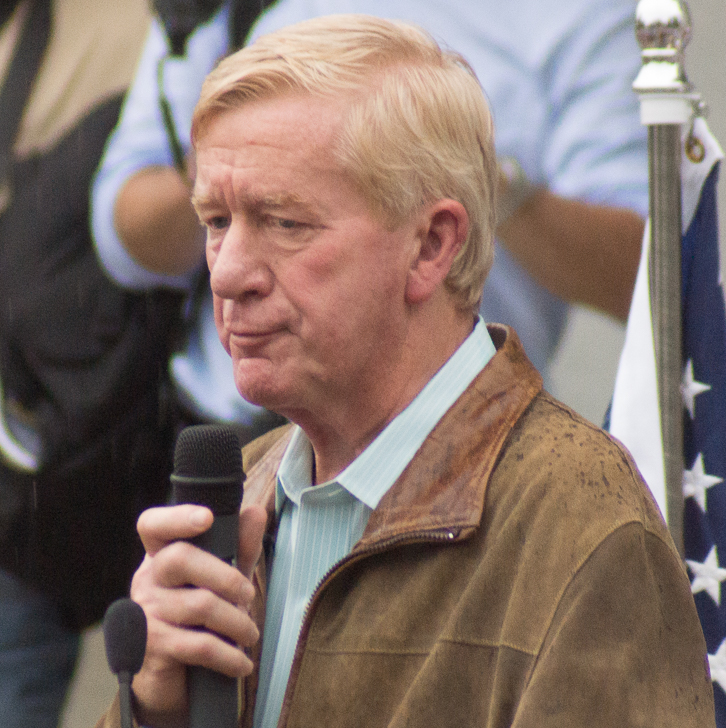
Bill Weld joined the Libertarian Party ticket in 2016 as Gary Johnson’s running mate, marking his departure from the Republican Party. The campaign platform emphasized fiscal conservatism combined with social liberalism, appealing to voters dissatisfied with both major parties. Weld and Johnson received nearly 4.5 million votes, the highest third-party presidential vote total since 1996. Their campaign focused on limited government, individual liberties, and non-interventionist foreign policy. The Libertarian ticket appeared on ballots in all 50 states, demonstrating Weld’s ability to build national coalitions across traditional party lines. His success in uniting diverse political factions showcases Bill Weld’s Coalition Building Strategy for Political Reform.
2020 Republican Primary Challenge to Donald Trump
Weld announced his challenge to Donald Trump in the 2020 Republican primaries in April 2019, becoming the first Republican to formally oppose the incumbent president. His campaign emphasized fiscal responsibility, constitutional principles, and traditional Republican values. Weld won a delegate in the Iowa caucus in February 2020, proving he could compete in Republican contests despite limited institutional support. He suspended his presidential campaign on March 18, 2020, after failing to gain significant traction against Trump’s incumbency advantage. Weld placed second in 22 states and won over 100,000 votes in the primaries. Following the campaign, he endorsed Joe Biden in November 2020, citing concerns about Trump’s leadership and commitment to democratic norms. For those interested in hearing him speak about these experiences, check out Bill Weld Public Speaking Events: Where to Hear Him Speak in 2026.
Bill Weld’s political career demonstrates remarkable consistency in challenging party establishments across three decades. From his principled resignation over corruption in the 1980s to his 2020 primary challenge against an incumbent president, Weld has consistently prioritized constitutional principles over party loyalty. His willingness to switch parties and challenge incumbents reflects broader shifts in American political alignments from the 1970s to the 2020s, as traditional party coalitions have fractured and independent voters have gained influence. Examining Weld’s career provides insight into how individual politicians can shape and respond to changing political landscapes while maintaining core principles about government accountability and individual liberty. For more information about his current political activities, visit Freedom for America.
