
Bill Weld’s political journey from Republican Governor of Massachusetts to Libertarian Vice Presidential candidate to Trump primary challenger represents a unique bridge between libertarian principles and traditional Republican governance. His ability to win significant votes across party lines demonstrates the potential for pragmatic political philosophy that prioritizes individual liberty while maintaining fiscal responsibility.
- Bill Weld served as Republican Governor of Massachusetts (1991-1997) before becoming Libertarian VP candidate in 2016 with nearly 4.5 million votes
- His 2020 Republican primary challenge to Donald Trump placed second in 22 states with up to 13% protest vote support
- Weld’s political philosophy uniquely bridges libertarian principles with traditional Republican governance experience
From Republican Governor to Libertarian VP: Weld’s Political Evolution

Massachusetts Governorship (1991-1997): Building Republican Credibility
Bill Weld’s tenure as the 68th Governor of Massachusetts established his credentials as a fiscally conservative Republican with a pragmatic approach to governance. During his six-year administration, Weld implemented significant tax cuts while maintaining essential government services, demonstrating his belief in limited government intervention balanced with practical public administration. His governance style emphasized efficiency and accountability, setting the foundation for his later political evolution toward libertarian principles. Weld’s success in a traditionally Democratic state showcased his ability to appeal to moderate voters while maintaining conservative economic policies, a skill that would prove crucial in his later political endeavors.
2016 Libertarian Ticket: Nearly 4.5 Million Votes with Gary Johnson
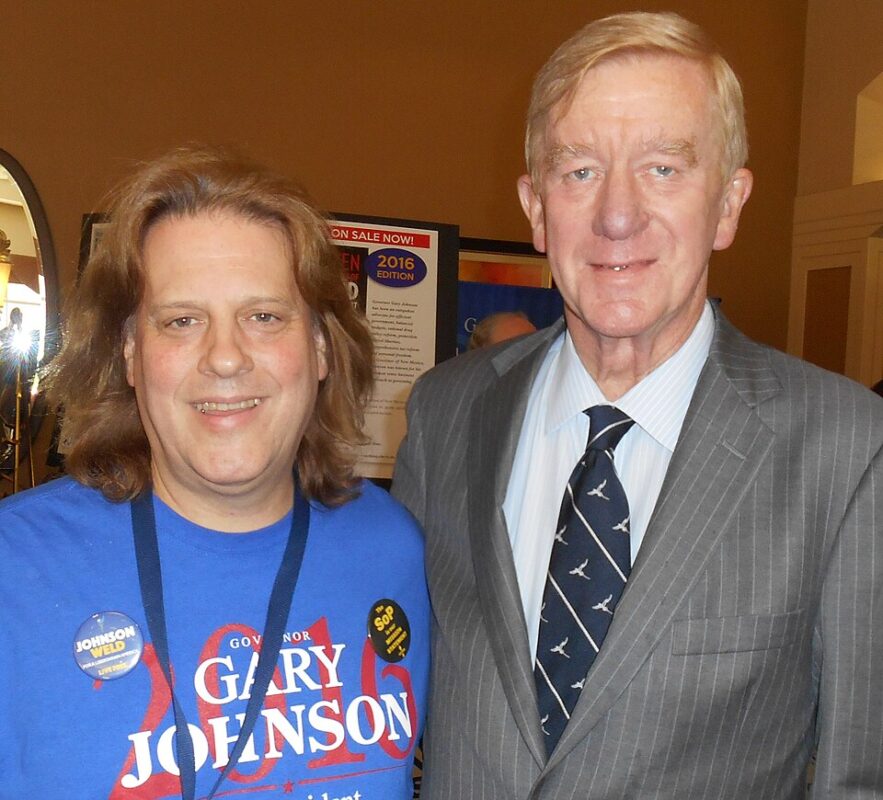
In 2016, Weld joined the Libertarian Party as the Vice Presidential candidate alongside Gary Johnson, creating one of the most successful third-party campaigns in modern American history. The ticket received nearly 4.5 million votes, marking the highest vote total for any Libertarian ticket and the most successful third-party performance since Ross Perot’s Reform Party in 1996. This remarkable achievement demonstrated Weld’s ability to appeal to voters seeking alternatives to the traditional two-party system while maintaining his core principles of fiscal responsibility and individual liberty. The campaign’s success highlighted growing dissatisfaction with the major parties and the potential for libertarian ideas to gain mainstream traction — Freedom for America.
Challenging Trump: The 2020 Republican Primary Campaign

Second Place in 22 States: Building Anti-Trump Coalition
During the 2020 Republican primaries, Weld mounted a significant challenge to incumbent Donald Trump, placing second in 22 states and achieving up to 13% in protest votes. His campaign, which suspended on March 18, 2020, represented a principled opposition to Trump’s leadership style and policy direction. The state-by-state performance data revealed Weld’s ability to build a coalition of traditional Republicans, libertarians, and independents who were seeking an alternative to Trump’s populist approach. This campaign demonstrated that there remained a substantial constituency within the Republican Party for more traditional conservative values and limited government principles.
Debate Performance: Intellectual, Policy-Focused, and Confrontational
Weld’s debate performances as both a Libertarian VP candidate and Republican presidential contender showcased his intellectual approach to policy discussions and his willingness to confront political opponents directly. His style was characterized by a focus on substantive policy issues rather than partisan rhetoric, combined with a moderate Republican stance that was openly critical of Donald Trump’s leadership. This approach resonated with voters who valued thoughtful analysis over political theater. Weld’s ability to articulate complex policy positions in accessible terms while maintaining a confrontational edge toward opponents who deviated from traditional conservative principles proved effective in both Libertarian and Republican contexts.
Weld’s Libertarian Republican Philosophy: Core Principles

Fiscal Conservatism Meets Social Libertarianism
Weld’s political philosophy represents a unique synthesis of fiscal conservatism and social libertarianism, advocating for limited government intervention in both economic and personal matters. He supports individual rights and personal liberties while maintaining a commitment to fiscal responsibility and efficient government operations. This combination appeals to voters who believe in both economic freedom and social tolerance, creating a bridge between traditional Republican economic policies and libertarian social principles. Weld’s philosophy emphasizes that government should protect individual rights while minimizing its interference in both economic and personal decisions, a stance that distinguishes him from both traditional Republicans and pure libertarians.
Bridging Political Divides Through Pragmatic Governance
Weld’s approach to governance emphasizes practical policy solutions over ideological purity, seeking to unite fiscal conservatives and social libertarians through common-sense approaches to government. His focus on governance experience rather than partisan rhetoric has allowed him to build coalitions across traditional party lines. By prioritizing effective administration and individual liberty, Weld demonstrates how libertarian Republican principles can address contemporary political challenges while maintaining core values of limited government and personal freedom. This pragmatic approach has enabled him to find common ground with voters across the political spectrum who share his commitment to individual rights and fiscal responsibility.
Weld’s unique political trajectory and philosophical approach offer valuable insights into how libertarian Republican principles can bridge political divides in contemporary American politics. His success in winning significant votes across party lines, combined with his consistent advocacy for individual liberty and fiscal responsibility, demonstrates the potential for pragmatic political philosophy that transcends traditional partisan boundaries. By studying Weld’s approach to governance and political messaging, observers can better understand how to articulate libertarian Republican principles in ways that resonate with diverse constituencies while maintaining core values of limited government and personal freedom.
