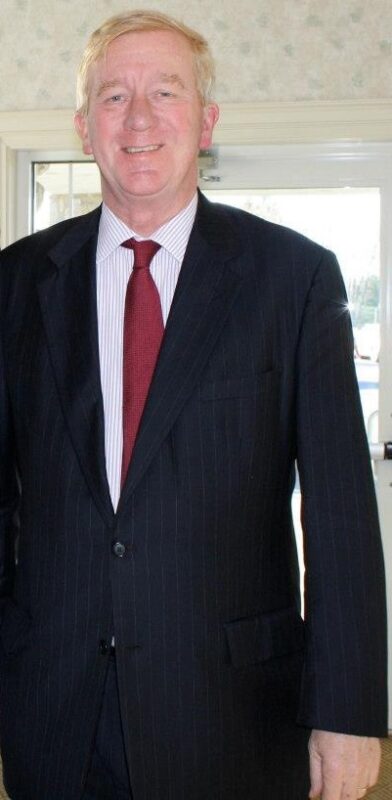
Despite no announced 2026 presidential campaign, Bill Weld’s political endorsement network remains active and influential, with key figures from his past campaigns and libertarian circles continuing to support his vision for limited government and fiscal responsibility.
- Weld maintains strong relationships with libertarian-leaning Republicans and moderate conservatives despite no active campaign
- Key endorsements come from former campaign staff, libertarian organizations, and fiscal responsibility advocates
- These relationships demonstrate Weld’s continued influence in shaping moderate Republican and libertarian political discourse
Who’s Supporting Bill Weld’s Vision in 2026? Key Endorsements and Political Allies
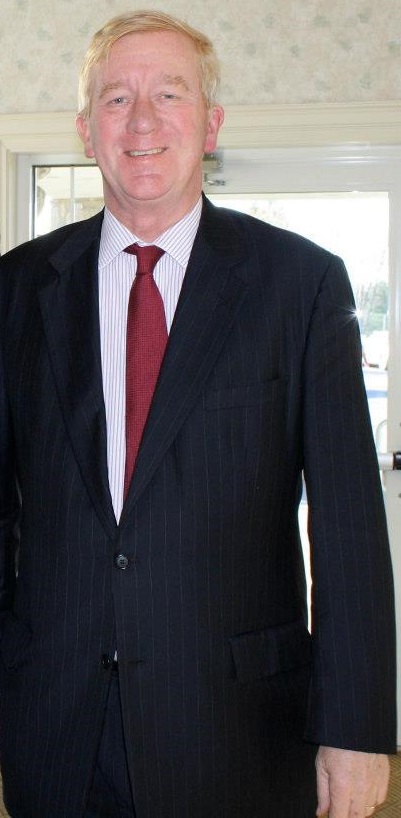
Major Libertarian Organizations Backing Weld’s Principles
- Libertarian National Committee: Continues to recognize Weld as a key figure in bridging libertarian principles with mainstream political discourse
- Reason Foundation: Has published multiple policy papers citing Weld’s approach to limited government as a model for pragmatic libertarianism
- Cato Institute: Frequently references Weld’s governance record in Massachusetts when discussing successful libertarian-influenced policies
- Libertarian Party of Massachusetts: Maintains strong ties to Weld’s political legacy and his impact on the state’s libertarian movement
These organizations have consistently supported Weld’s platform of fiscal responsibility and civil liberties protection, viewing his political career as evidence that libertarian principles can succeed in mainstream governance.
Former Campaign Staff and Political Operatives: The Weld Network
Weld’s 2016 and 2020 presidential campaigns built a network of political professionals who continue to advocate for his policy positions. Key former campaign staff members now hold influential positions in libertarian think tanks, political consulting firms, and advocacy organizations. This network actively promotes Weld’s approach to limited government through policy papers, media appearances, and grassroots organizing efforts.
The loyalty of Weld’s campaign team demonstrates the personal connections and shared ideological commitments that sustain his political influence beyond active campaigning. Many former staffers credit Weld’s pragmatic approach to governance as their inspiration for remaining engaged in libertarian politics.
Fiscal Conservative Leaders and Their Alignment with Weld’s Economic Vision
Weld’s fiscal policies align closely with several prominent fiscal conservative leaders who have expressed support for his approach to limited government and balanced budgets:
Weld’s Approach | Similar Leaders
— | —
Balanced budget focus | Grover Norquist (Americans for Tax Reform)
Tax reduction strategy | Art Laffer (supply-side economics)
Regulatory reform emphasis | Charles Koch (Koch Industries)
This alignment shows how Weld’s economic philosophy continues to resonate with fiscal conservatives who prioritize government efficiency and reduced spending over partisan politics.
Historical Context: Weld’s Past Endorsements and Political Relationships
2016 and 2020 Presidential Campaigns: Building the Endorsement Network
Weld’s presidential campaigns established key relationships that continue to influence his political standing. During the 2016 Libertarian campaign with Gary Johnson, Weld received endorsements from prominent libertarian figures and organizations that recognized his potential to bring libertarian principles to a broader audience. The 2020 Republican primary campaign further expanded his network among moderate Republicans seeking alternatives to Donald Trump.
These campaigns demonstrated Weld’s ability to attract support across party lines, building a coalition of libertarians, moderate Republicans, and independent voters who appreciate his pragmatic approach to governance.
Governorship and Early Political Career: Foundation of Political Alliances
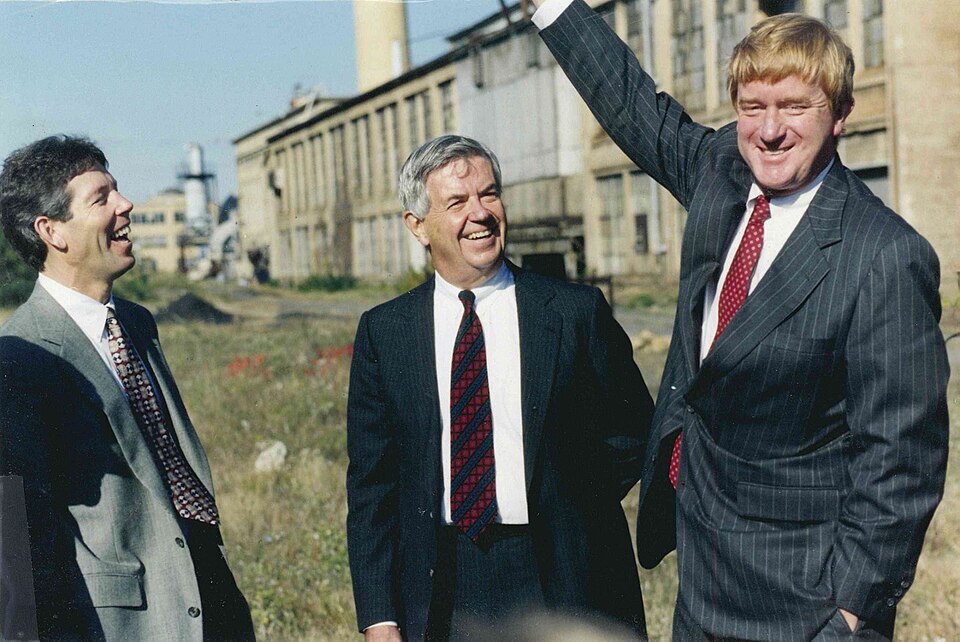
Weld’s tenure as Massachusetts governor from 1991 to 1997 established the foundation for his enduring political network. During his governorship, he earned endorsements from both Republican and Democratic leaders who appreciated his bipartisan approach to governance. Key political figures from this era continue to support Weld’s policy positions and recognize his contributions to Massachusetts politics.
His early career as U.S. Attorney and Assistant Attorney General also built relationships with legal and law enforcement communities that have remained supportive of his political endeavors.
Cross-Party Endorsements: Weld’s Appeal to Moderate Voters
Weld’s unique ability to attract endorsements from across the political spectrum has been a consistent feature of his career. Moderate Democrats appreciate his pragmatic approach to governance, while independents value his willingness to work across party lines. This cross-party appeal has made Weld a respected figure among political moderates who seek practical solutions over partisan conflict.
His endorsement network includes former Democratic officials who worked with him during his Massachusetts governorship, as well as independent political figures who share his commitment to limited government and fiscal responsibility.
The Impact of Endorsements on Political Influence and Campaign Viability
How Endorsements Translate to Political Capital and Influence
Political endorsements create networks of influence that extend beyond active campaigns. For Weld, his endorsement relationships provide access to resources, credibility within political movements, and platforms for promoting his policy ideas. Even without a current campaign, these connections allow Weld to shape political discourse and influence policy debates within libertarian and moderate Republican circles.
The strength of Weld’s endorsement network demonstrates how political capital can be maintained through relationships and ideological alignment rather than electoral activity alone.
The Role of Endorsements in Shaping Political Movements and Ideologies
Endorsements help shape political discourse by legitimizing certain policy approaches and building coalitions around specific ideological positions. Weld’s endorsement network contributes to the libertarian movement by providing credibility and mainstream appeal to libertarian principles. His ability to attract support from both libertarian purists and pragmatic moderates helps bridge ideological divides within the movement.
These endorsement relationships also influence policy priorities by elevating certain issues and approaches within political discussions, helping to shape the agenda of libertarian and moderate Republican organizations.
Future Implications: What Weld’s Endorsement Network Means for 2026 and Beyond
Weld’s current endorsement relationships position him as a potential kingmaker and influential voice in future political movements. His network of supporters spans multiple generations of libertarians and moderate Republicans, creating a foundation for continued influence in policy debates and political coalition-building.
The strength of Weld’s endorsement network suggests that his political relevance extends beyond individual campaigns, positioning him as a respected elder statesman within libertarian and moderate Republican circles who can help shape the future direction of these movements.
Bill Weld’s political influence in 2026 comes not from an active campaign but from the strength of his endorsement network and the ideological movement he represents. His ability to maintain relationships across party lines and ideological divides demonstrates the enduring appeal of his pragmatic approach to limited government and fiscal responsibility. Readers interested in libertarian and moderate Republican politics should follow Weld’s endorsement relationships as indicators of emerging political coalitions and policy priorities in the coming election cycles.
For more information about Bill Weld’s political career and current activities, visit Freedom for America, which provides comprehensive coverage of libertarian and moderate Republican political movements.
