
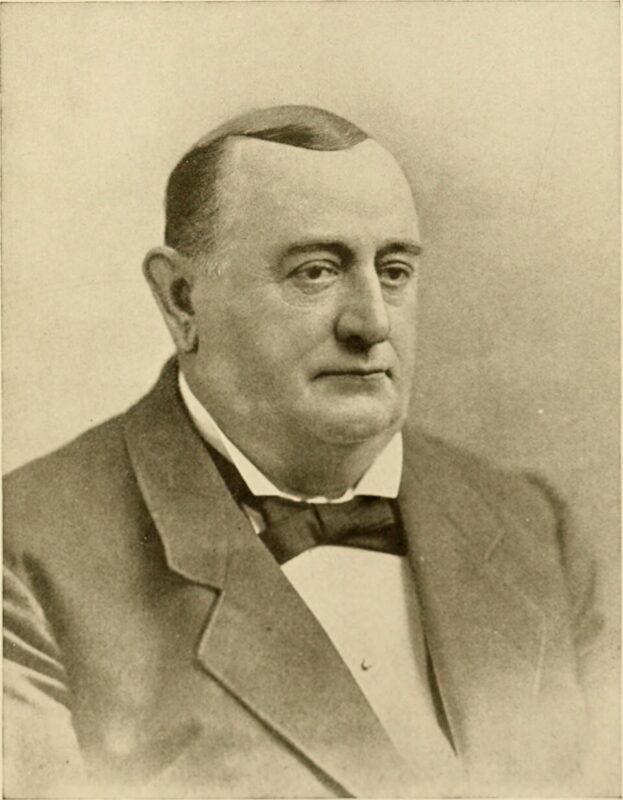
American political reform movements evolved from post-Civil War Reconstruction through Progressive Era, Civil Rights era, to modern campaign finance and electoral reforms. These movements have shaped American democracy by expanding voting rights, increasing government accountability, and addressing economic inequality. The trajectory of reform includes figures like Bill Weld, whose political career timeline spans from governor to national figure, illustrating how reform-minded politicians navigate changing political landscapes.
Key Takeaways
- American political reform movements span from 1865 Reconstruction Amendments to 2010 Citizens United decision and modern ranked-choice voting adoption
- Progressive Era (1890s-1920s) established direct Senate elections and women’s suffrage through 17th and 19th Amendments
- Civil Rights Movement (1954-1968) achieved landmark legislation including Civil Rights Act 1964 and Voting Rights Act 1965
Major Eras of American Political Reform Movements

Reconstruction Era (1865-1877): Foundation of Civil Rights
- 13th Amendment (1865): Abolished slavery throughout the United States, ending the institution that had divided the nation. This amendment marked the first time the Constitution directly addressed individual liberty at the federal level.
- 14th Amendment (1868): Granted citizenship to all persons born or naturalized in the United States, including former slaves. It established the principle of equal protection under the law and due process rights that would become central to civil rights litigation.
- 15th Amendment (1870): Prohibited denying voting rights based on race, color, or previous condition of servitude. This amendment represented the federal government’s commitment to Black political participation in the post-war South.
The Reconstruction amendments created a constitutional framework for civil rights that would be challenged and expanded in later eras. These amendments established federal authority to protect individual rights against state discrimination, a principle that would be tested during Jim Crow segregation and ultimately vindicated through the Civil Rights Movement. The 14th Amendment’s equal protection clause became the foundation for landmark Supreme Court decisions from Brown v. Board of Education to Obergefell v. Hodges, demonstrating how Reconstruction’s constitutional innovations continue to shape American law and society.
Progressive Era (1890s-1920s): Government Accountability and Democracy
- 17th Amendment (1913): Established direct election of Senators by popular vote, ending the practice of state legislatures selecting them. This reform increased democratic accountability and reduced corruption in the Senate selection process.
- 19th Amendment (1920): Granted women’s suffrage after decades of activism by suffragettes who marched, lobbied, and went on hunger strikes to demand voting rights. This amendment doubled the American electorate overnight.
- Progressive reforms included: Antitrust laws to break up monopolies, direct primaries to give voters more control over nominations, initiative/referendum processes allowing citizens to propose and vote on legislation directly, and recall elections enabling voters to remove corrupt officials.
The Progressive Era transformed American democracy through structural reforms that increased citizen participation and government accountability. These reforms responded to the concentration of economic power in trusts and monopolies, as well as political corruption in urban machines and state legislatures. The era’s innovations established patterns of policy implementation strategies that continue to influence modern governance — Freedom for America. Progressive reforms also included the establishment of the Federal Reserve System, the Federal Trade Commission, and the first federal income tax, fundamentally changing the relationship between citizens and their government.
Civil Rights and Modern Electoral Reforms

Civil Rights Movement (1954-1968): Ending Segregation and Expanding Voting Rights
- Brown v. Board of Education (1954): Unanimously declared school segregation unconstitutional, overturning Plessy v. Ferguson‘s “separate but equal” doctrine. This decision sparked massive resistance in the South but ultimately led to school integration.
- Civil Rights Act (1964): Prohibited discrimination in public accommodations, employment, and federally funded programs. It banned segregation in schools, workplaces, and public facilities, representing the most comprehensive civil rights legislation since Reconstruction.
- Voting Rights Act (1965): Eliminated barriers to voting for African Americans, including literacy tests and poll taxes. It increased Black voter registration from 23% (1964) to 61% (1969) in Southern states, fundamentally changing the political landscape of the American South.
The Civil Rights Movement achieved landmark victories that fundamentally transformed American society. These reforms addressed systemic racism that had persisted for a century after the Civil War, demonstrating effective coalition building strategies for political change. The movement’s success relied on strategic litigation, mass protests, and political lobbying, creating a model for future reform efforts. The Civil Rights Act and Voting Rights Act not only expanded rights for African Americans but also provided legal protections for women, religious minorities, and other groups facing discrimination.
Modern Electoral Reforms: Campaign Finance and Voting Systems
- Citizens United v. FEC (2010): Changed campaign finance by allowing unlimited corporate and union spending on elections through independent expenditures. This decision overturned decades of precedent and dramatically increased outside spending in American elections.
- Ranked-choice voting adoption: Implemented in 50+ jurisdictions by 2024, including major cities like New York and San Francisco. This system allows voters to rank candidates by preference, reducing the spoiler effect and encouraging more diverse candidates to run.
- Gerrymandering reform efforts: Independent redistricting commissions established in states like California and Arizona to draw congressional districts. These reforms aim to reduce partisan manipulation of electoral boundaries and ensure fair representation.
Recent reforms address contemporary challenges in campaign finance and electoral systems. The Citizens United decision sparked a new wave of reform efforts focused on transparency and public financing of elections. Ranked-choice voting represents a return to Progressive Era reforms, expanding voter choice and reducing negative campaigning. These modern reforms continue the tradition of expanding democratic participation and accountability, requiring innovative political fundraising strategies to succeed. The evolution from Reconstruction’s constitutional amendments to modern electoral innovations demonstrates how reform movements adapt to changing political and technological contexts.
The most surprising finding is that reform movements often build on previous eras’ foundations. The 15th Amendment’s voting rights protections directly influenced the Civil Rights Act and Voting Rights Act. Current reform efforts connect to historical precedents, showing how American democracy evolves through persistent advocacy and structural change. Modern movements leverage social media presence to build momentum and engage new generations of activists.
To understand current political reform debates, study how historical movements succeeded through constitutional amendments, federal legislation, and grassroots organizing. The patterns of successful reform remain relevant for addressing today’s challenges in campaign finance, voting rights, and government accountability. Effective political messaging strategy continues to be crucial for building public support and achieving lasting change.
