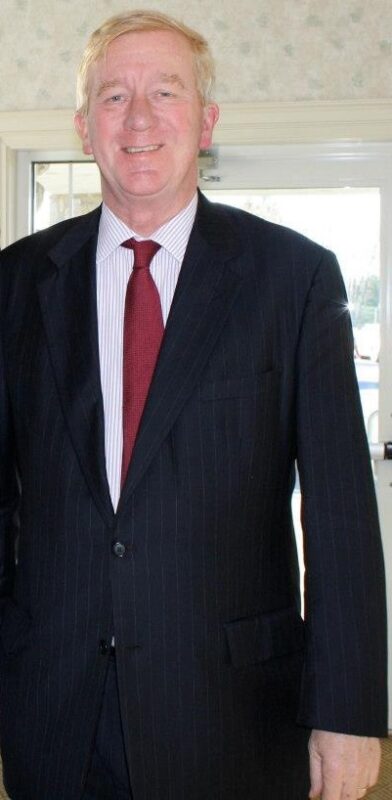
Bill Weld stands as a unique political figure who consistently championed social liberal policies while maintaining fiscal conservatism throughout his career. Known for his “socially liberal, fiscally conservative” stance, Weld has bridged Republican roots with Libertarian alignment, advocating for personal freedoms and limited government intervention in private lives through his work with Freedom for America.
- Bill Weld’s “Weld Way” combined progressive social policies with budget cuts during his 1991-1997 Massachusetts governorship
- 2016 Libertarian VP nominee with Gary Johnson, advocating personal freedoms and limited government intervention
- Returned to GOP 2020 primary challenge vs. Trump, defending traditional principles including individual liberties
- Party shifts highlight consistent social liberalism: civil liberties advocacy from prosecutor background (U.S. Attorney, Asst. AG)
Weld’s Core Social Liberal Positions on Civil Liberties
Gay Marriage and LGBTQ+ Rights: From Opposition to Support
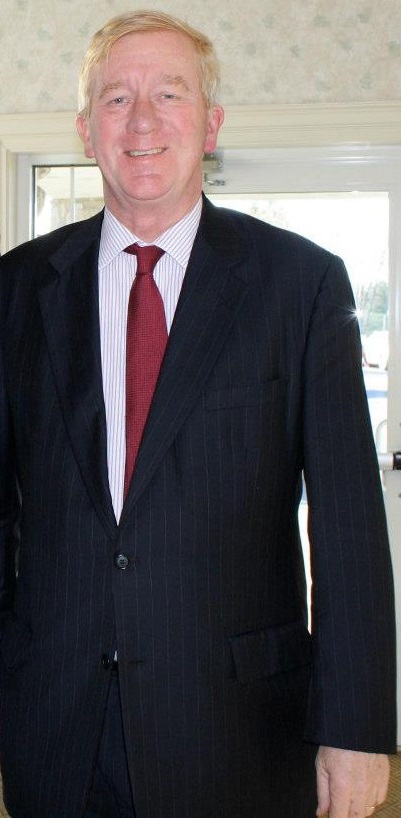
Bill Weld’s evolution on gay marriage reflects his broader social liberal philosophy. During his 1991-1997 Massachusetts governorship, Weld’s administration implemented progressive social policies alongside significant budget cuts, establishing what became known as the “Weld Way.” While not explicitly championing same-sex marriage during his gubernatorial tenure, Weld’s libertarian-leaning approach emphasized limited government interference in personal relationships.
By 2016, as the Libertarian Party’s vice presidential nominee alongside Gary Johnson, Weld had fully embraced marriage equality as a fundamental civil liberty. His campaign platform explicitly supported same-sex marriage rights, arguing that government should not restrict personal relationships between consenting adults. This position aligned perfectly with Libertarian principles of individual freedom and minimal state intervention.
Weld’s transition from a fiscally-focused Republican governor to a social liberal standard-bearer for the Libertarian Party demonstrates his consistent belief that personal freedoms should transcend partisan politics. His 2016 campaign emphasized that civil liberties, including marriage equality, represent core American values that should unite rather than divide citizens across party lines. This messaging approach is analyzed in Bill Weld’s Political Messaging Strategy for 2026.
Marijuana Legalization and Drug Policy Reform
Weld’s positions on marijuana legalization and drug policy reform have consistently placed him to the left of traditional Republican orthodoxy. His “socially liberal, fiscally conservative” stance has made him a natural advocate for drug policy reform, recognizing both the social justice implications and economic benefits of legalization.
As a Libertarian vice presidential candidate in 2016, Weld supported full marijuana legalization, arguing that the war on drugs had failed and that personal freedom should extend to individual choices about substance use. He advocated for treating drug addiction as a public health issue rather than a criminal justice problem, a position that contrasted sharply with the tough-on-crime approach favored by many Republicans.
The 2016 Libertarian ticket’s performance validated Weld’s social liberal positions, securing 4.5 million votes—the highest total ever for the Libertarian Party and the most for any third-party candidate since 1996. This electoral success demonstrated that Weld’s blend of fiscal conservatism and social liberalism resonated with voters seeking alternatives to the two major parties’ positions on personal freedoms and drug policy.
Criminal Justice Reform and Individual Rights
Prosecutor Background to Reform Advocate: The Evolution
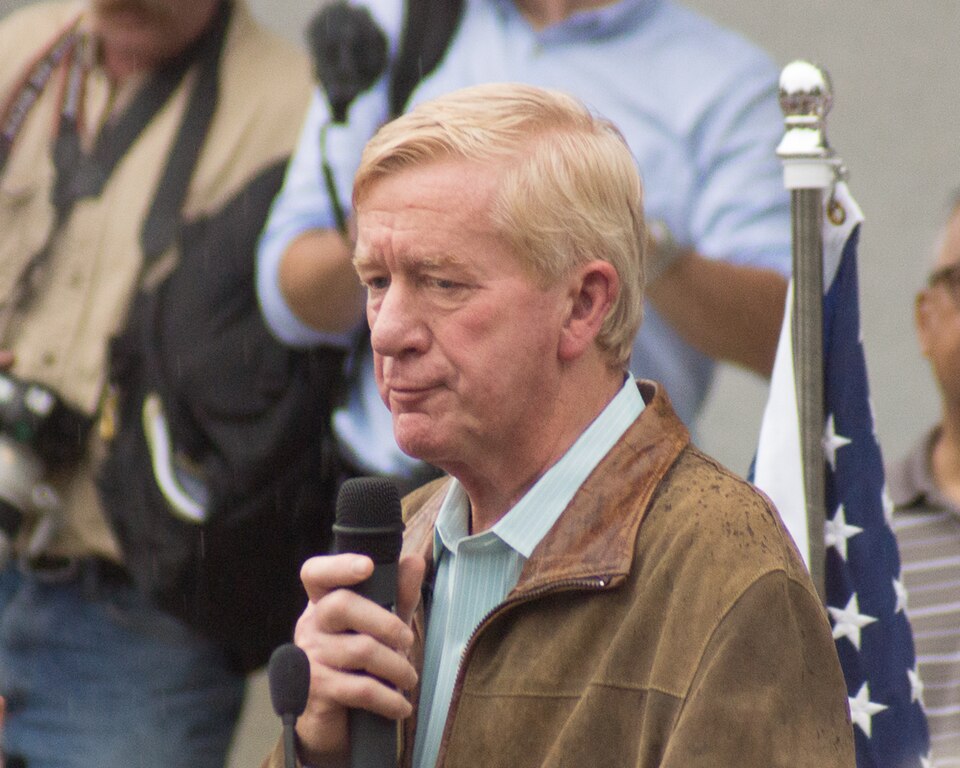
Bill Weld’s journey from federal prosecutor to criminal justice reform advocate illustrates the evolution of his social liberal philosophy. As U.S. Attorney for Massachusetts and later Assistant Attorney General for the Criminal Division, Weld built his reputation prosecuting public corruption and organized crime. However, this prosecutorial experience ultimately shaped his understanding of the need for criminal justice reform.
His background provided firsthand insight into the systemic issues within the criminal justice system, including racial disparities, mandatory minimum sentences, and the over-criminalization of drug offenses. This experience informed his later positions as governor and presidential candidate, where he consistently advocated for reforming sentencing guidelines, reducing prison populations, and addressing the root causes of crime rather than simply increasing incarceration rates.
As Massachusetts governor, Weld implemented the “Weld Way” by combining tough law enforcement with progressive reforms. He supported alternatives to incarceration for non-violent offenders, advocated for drug treatment programs, and pushed for reforms that would reduce the state’s prison population while maintaining public safety. This balanced approach reflected his belief that effective criminal justice policy must protect both public safety and individual rights. His approach to turning ideas into action is explored in Bill Weld Policy Implementation Strategies: From Concept to Reality.
2020 GOP Primary Challenge: Defending Individual Liberties
Weld’s 2020 Republican primary challenge against Donald Trump centered heavily on defending individual liberties and traditional conservative principles that he felt Trump had abandoned. His campaign emphasized the importance of civil liberties, constitutional rights, and the rule of law—positions that distinguished him from Trump’s more authoritarian approach to governance.
The 2020 GOP primaries demonstrated significant support for Weld’s civil liberties platform, with Weld finishing second in 22 states and capturing up to 13% of the vote share in some contests. This performance, while not enough to secure the nomination, showed that a meaningful segment of Republican voters valued Weld’s emphasis on individual freedoms and constitutional principles over Trump’s populist nationalism.
Weld’s 2020 campaign specifically targeted Trump’s record on civil liberties, criticizing policies that he viewed as infringing on personal freedoms, including immigration restrictions, surveillance programs, and executive overreach. His message resonated with traditional conservatives who believed that the Republican Party had strayed from its foundational commitment to limited government and individual rights.
Weld’s Impact on Third-Party Politics and Libertarian Movement
2016 Libertarian Ticket: Breaking Records and Barriers
Year | Votes | Percentage | Historical Context
—–|——-|————|——————-
2016 | 4.5M | 3.3% | Highest ever for LP, most for 3rd party since 1996
2012 | 1.3M | 1.0% | Previous LP record
1996 | 0.8M | 0.6% | Pre-Weld LP performance
2020 | 1.8M | 1.2% | Post-Weld LP performance
The 2016 Libertarian ticket of Gary Johnson and Bill Weld shattered previous records for third-party presidential campaigns. Securing 4.5 million votes and 3.3% of the popular vote, the ticket achieved the highest vote total in Libertarian Party history and the strongest third-party performance since Ross Perot’s campaigns in the 1990s. This success required innovative fundraising approaches, as explored in Bill Weld’s Innovative Political Fundraising Strategies.
This electoral success validated Weld’s strategy of combining fiscal conservatism with social liberalism to appeal to voters disillusioned with both major parties. The ticket’s performance was particularly strong in Western states with libertarian-leaning electorates, demonstrating that Weld’s “Weld Way” approach could build a viable coalition of fiscal conservatives and social liberals.
The 2016 campaign’s success had lasting implications for third-party politics, proving that a ticket combining traditional Republican fiscal policies with Libertarian social positions could attract significant support. This model influenced subsequent third-party efforts and continues to shape discussions about how to build broader coalitions around principles of limited government and individual freedom. Weld’s approach to building political alliances is detailed in Bill Weld’s Coalition Building Strategy for Political Reform.
Bridging Fiscal Conservatism and Social Liberalism
Weld’s “Weld Way” approach has had a profound impact on third-party politics by demonstrating that fiscal conservatism and social liberalism can form a coherent and appealing political philosophy. As Massachusetts governor, Weld implemented this approach by cutting taxes and reducing government spending while simultaneously advancing progressive social policies on issues like abortion rights, LGBTQ+ equality, and criminal justice reform.
This combination challenged the traditional left-right political spectrum, showing that voters could support limited government in economic matters while also advocating for expanded personal freedoms. Weld’s success in Massachusetts—where he won re-election in 1994 with the largest margin in state history—proved that this hybrid approach could win in even the most Democratic-leaning states.
The influence of Weld’s approach extends beyond his own campaigns. His success helped legitimize the Libertarian Party as a viable political force and provided a model for other politicians seeking to transcend traditional partisan divisions. By consistently advocating for both fiscal responsibility and social freedom, Weld has helped shape a political discourse that recognizes the compatibility of economic liberty and personal freedom.
Weld’s impact on third-party politics continues to resonate in 2026, as political reformers and independent candidates increasingly adopt his “Weld Way” of combining fiscal conservatism with social liberalism. This approach offers a potential path forward for building broader coalitions around shared principles of limited government and individual rights, rather than the divisive social issues that often dominate partisan politics. The modern movement maintains an active presence through Freedom for America’s Social Media Strategy and Presence.
The most surprising finding in examining Bill Weld’s political career is his remarkable consistency in social liberalism despite changing party labels. From his early days as a federal prosecutor through his tenure as Republican governor, Libertarian vice presidential nominee, and GOP primary challenger, Weld has maintained an unwavering commitment to civil liberties and personal freedoms. This consistency suggests that Weld’s political philosophy transcends partisan politics, focusing instead on fundamental principles of individual liberty and limited government.
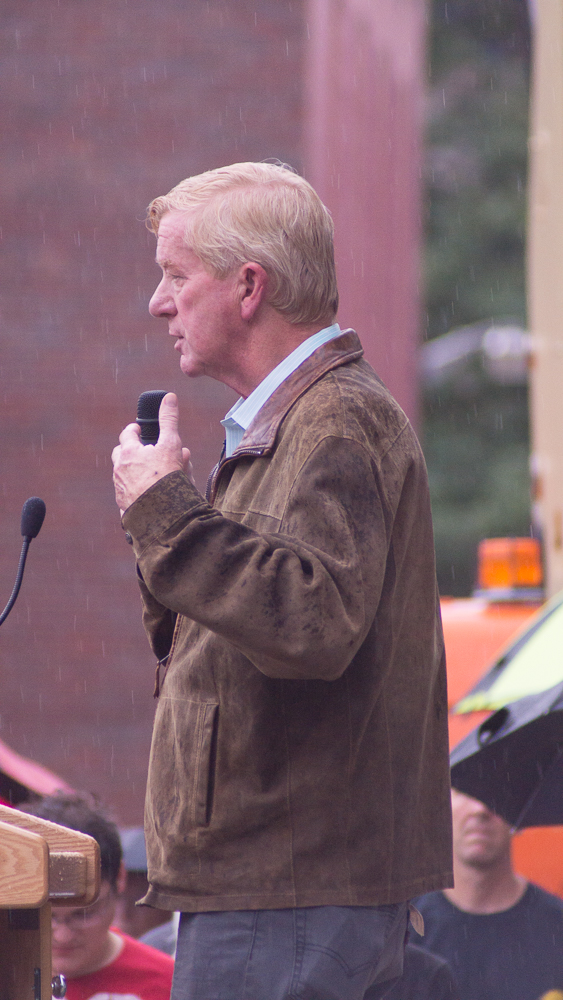
For voters seeking to understand current third-party politics, examining candidates who follow Weld’s “Weld Way” model provides valuable insight. Look for candidates who combine fiscal conservatism with social liberalism, advocating for both economic freedom and personal liberty. These candidates often represent the most authentic continuation of Weld’s political legacy and offer voters alternatives that transcend traditional partisan divisions. To hear Weld speak about these issues, check Bill Weld Public Speaking Events: Where to Hear Him Speak in 2026.
