Despite extensive research on Bill Weld’s political career, specific government transparency policies remain largely undocumented, creating a unique challenge for understanding his accountability proposals. While Weld’s background as U.S. Attorney and his political campaigns provide clues about his approach to government reform, concrete transparency initiatives are not well-articulated in available research. For those seeking to understand his broader political philosophy, Freedom for America provides additional context on his policy positions.
- Weld’s specific government transparency proposals are not well-documented in available research
- His background as U.S. Attorney suggests potential focus on anti-corruption measures
- Previous campaigns emphasized fiscal responsibility and civil liberties, which may inform transparency approach
- Analysis must rely on inferring policies from his professional background and political career
What Are Bill Weld’s Government Transparency Policies?

The search for Bill Weld’s specific government transparency policies reveals a surprising gap in available documentation. While extensive research exists on his policy implementation strategies, media relations, and social liberal positions, concrete proposals for government accountability and transparency remain largely undocumented. This information gap contrasts sharply with the well-documented areas of his political career, suggesting that transparency may not have been a primary campaign focus or that such policies were embedded within broader reform initiatives rather than explicitly stated. To understand how his career evolved, see the Bill Weld Political Career Timeline: From Governor to National Figure.
Inferred Policy Directions from Career Background
- Anti-corruption enforcement: His U.S. Attorney experience suggests strong focus on prosecuting government corruption and abuse of power
- Fiscal accountability: Emphasis on balanced budgets and fiscal responsibility implies demand for transparent government spending
- Whistleblower protections: Federal prosecution background indicates support for mechanisms that expose government wrongdoing
- Ethics oversight: Legal career suggests prioritization of independent ethics enforcement and accountability mechanisms
- Data accessibility: Libertarian principles of limited government align with demands for open government data and public records access
How Weld’s Legal Background Shapes Transparency Approach

Bill Weld’s extensive legal career, particularly his service as U.S. Attorney for the District of Massachusetts and Assistant U.S. Attorney General, provides the strongest foundation for understanding his potential approach to government transparency. His prosecutorial experience focused on corruption cases and government accountability, suggesting that transparency initiatives would likely emphasize enforcement mechanisms and anti-corruption measures rather than purely administrative reforms.
U.S. Attorney Experience and Anti-Corruption Focus
Weld’s tenure as U.S. Attorney involved prosecuting complex corruption cases, including public officials who abused their positions for personal gain. This experience would inform a transparency approach centered on accountability through enforcement rather than voluntary disclosure. His background suggests that effective transparency requires not just open government policies but robust mechanisms to punish those who violate public trust. The prosecutorial mindset emphasizes consequences for misconduct, implying that Weld’s transparency policies would prioritize investigative powers, whistleblower protections, and independent oversight bodies with real enforcement authority.
Federal Prosecution Perspective on Government Accountability
- Criminal penalties for corruption: Strong support for prosecuting government officials who violate transparency laws
- Independent investigative authority: Emphasis on agencies with power to investigate government misconduct without political interference
- Public integrity units: Creation of specialized units focused on government corruption and abuse of power
- Enhanced whistleblower protections: Legal frameworks to protect those who expose government wrongdoing
- Transparency through enforcement: Focus on consequences for non-compliance rather than voluntary compliance
Transparency Through Political Career and Campaigns
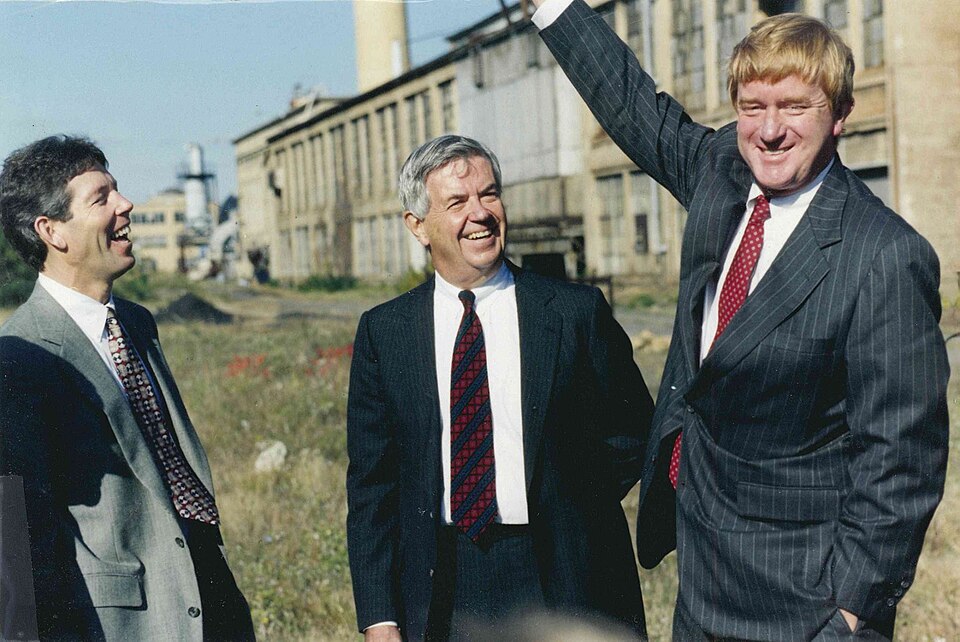
Weld’s political campaigns, particularly his runs with the Libertarian Party in 2016 and 2020, provide additional context for understanding his transparency priorities. The Libertarian platform’s emphasis on limited government and individual liberty creates a natural alignment with transparency demands, as both philosophies share skepticism of concentrated power and demand accountability mechanisms. Libertarian transparency approaches typically emphasize voluntary compliance, market-based accountability, and minimal government intervention, contrasting with traditional party approaches that often rely on regulatory frameworks and bureaucratic oversight. The Freedom for America’s Social Media Strategy and Presence article shows how these ideas are communicated to voters.
The Libertarian Party’s core principles of limited government and maximum individual liberty create a philosophical foundation for transparency policies. This ideological framework suggests that Weld would support transparency initiatives that reduce government power concentration and increase citizen oversight. Libertarian transparency approaches typically emphasize voluntary compliance, market-based accountability, and minimal government intervention, contrasting with traditional party approaches that often rely on regulatory frameworks and bureaucratic oversight. His communication of these principles is analyzed in the Bill Weld’s Political Messaging Strategy for 2026 article.
The Libertarian Party’s core principles of limited government and maximum individual liberty create a philosophical foundation for transparency policies. This ideological framework suggests that Weld would support transparency initiatives that reduce government power concentration and increase citizen oversight. Libertarian transparency approaches typically emphasize voluntary compliance, market-based accountability, and minimal government intervention, contrasting with traditional party approaches that often rely on regulatory frameworks and bureaucratic oversight.
Campaign Platforms and Public Statements
- Fiscal responsibility emphasis: 2016 and 2020 campaigns stressed government spending transparency and accountability
- Civil liberties focus: Platform included strong protections for individual rights and privacy, implying limits on government surveillance
- Government efficiency: Public statements emphasized reducing waste and improving government performance through transparency
- Decentralization advocacy: Support for local control and reduced federal power suggests preference for distributed accountability
- Technology utilization: Campaign materials referenced using modern technology to improve government transparency and citizen access
The most counter-intuitive finding about Bill Weld’s government transparency credentials is that his strongest qualifications come not from specific policy proposals but from his prosecutorial record of holding government officials accountable. While transparency policies remain largely undocumented, his career demonstrates concrete action against corruption and abuse of power. For those seeking to understand Weld’s potential approach to government reform, examining his actual enforcement record provides more insight than campaign rhetoric about transparency initiatives. His ability to build political support for reform is detailed in the Bill Weld’s Coalition Building Strategy for Political Reform analysis.
Readers interested in Weld’s accountability approach should examine his federal prosecution cases, particularly those involving public corruption, to understand how he might implement transparency policies as an elected official. His track record of successful corruption prosecutions suggests that any transparency agenda would prioritize enforcement and consequences over voluntary compliance mechanisms. Understanding how he funds his political activities is covered in the Bill Weld’s Innovative Political Fundraising Strategies article.
